Few household pests are as frustrating as ants in the kitchen. One day, your countertops are spotless, and the next, you discover a trail of tiny insects making their way toward your pantry or sink.
In Florida, ants are one of the most common pest problems homeowners face. Thanks to the state’s warm and humid climate, several ant species remain active throughout the year, making kitchens a frequent target for infestations.
The good news is that keeping ants out of your kitchen doesn’t have to be complicated. By understanding what attracts them and taking a few preventive measures, homeowners can significantly reduce the likelihood of an infestation.
Let’s explore why ants invade kitchens and how you can keep them out all year long.
Why Are Ants Attracted to Kitchens?
Ants are constantly searching for three basic necessities:
- Food.
- Water.
- Shelter.
Unfortunately, kitchens provide all three.
Even small crumbs, sugary spills, or moisture around sinks can attract ants from surprisingly long distances. Once they discover a reliable food source, they leave scent trails that lead other ants directly into your home.
Some of the most common kitchen attractants include:
- Bread crumbs.
- Sugar and sweet foods.
- Pet food.
- Fruit left on countertops.
- Dirty dishes.
- Water leaks.
- Garbage bins.
Keeping these attractants under control is the first step toward preventing ant problems.
Common Ant Species Found in Florida Homes
Florida is home to several ant species that frequently invade residential properties.
Some of the most common include:
- Ghost ants.
- Carpenter ants.
- Argentine ants.
- Fire ants.
- Pharaoh ants.
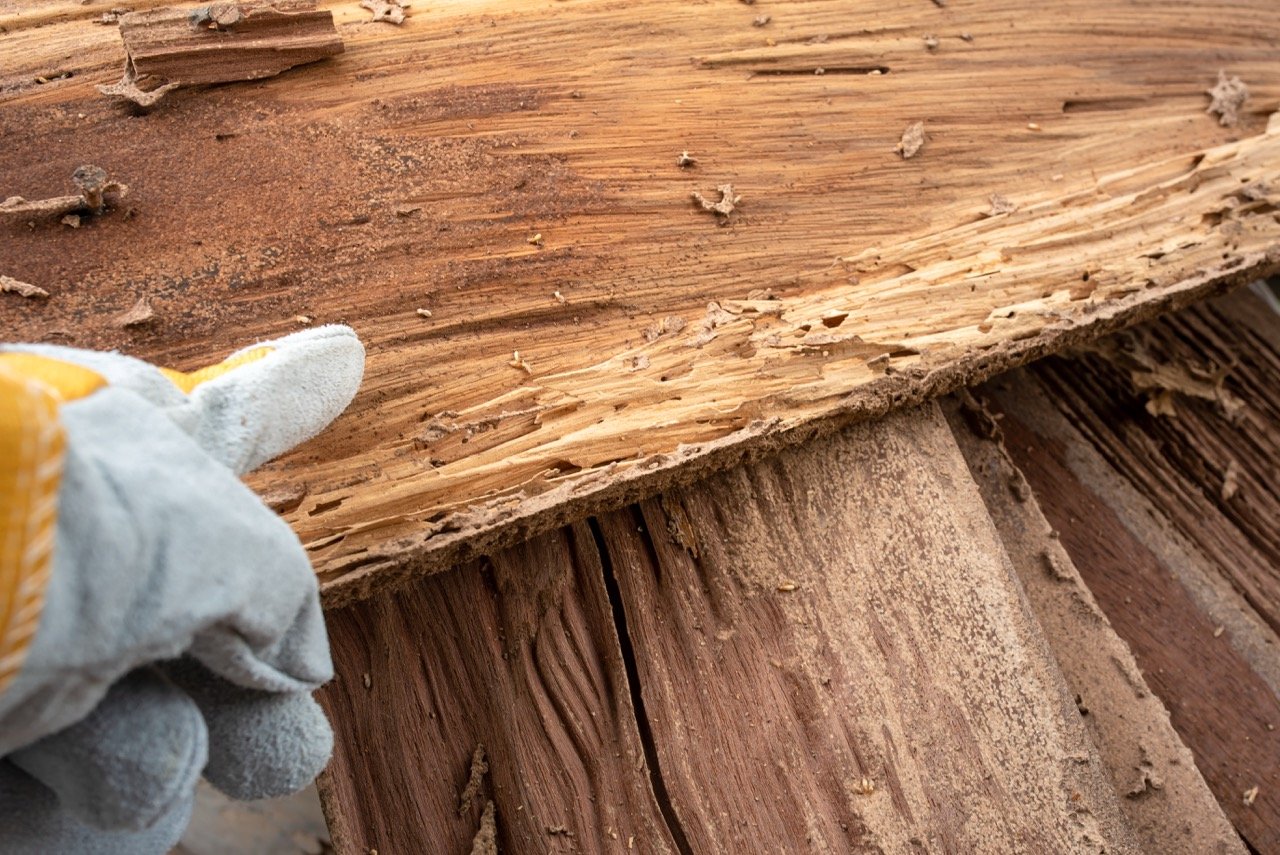
While some are simply a nuisance, others—such as carpenter ants—can cause damage to wooden structures if left untreated.
Proper identification is important because different ant species often require different treatment methods.
Keep Your Countertops Clean
Cleanliness plays a major role in ant prevention.
Ants can be attracted by food particles that are barely visible to the human eye. Regularly cleaning kitchen surfaces helps eliminate the scent trails that ants use to locate food sources.
Make it a habit to:
- Wipe countertops daily.
- Sweep kitchen floors frequently.
- Clean under appliances.
- Remove food residue promptly.
Small cleaning routines can have a significant impact on pest prevention.
Store Food Properly
Improper food storage is one of the most common reasons ants invade kitchens.
Store food items in sealed containers whenever possible, including:
- Cereal.
- Sugar.
- Flour.
- Snacks.
- Pet treats.
- Baking ingredients.
Avoid leaving fruits or baked goods uncovered for extended periods, especially during Florida’s warmer months.
Don’t Forget Pet Food
Pet food bowls are often overlooked when homeowners are searching for the source of an ant problem.
If possible:
- Feed pets during designated times.
- Remove uneaten food promptly.
- Clean food bowls regularly.
Even small amounts of pet food can attract ants into your kitchen.
Eliminate Moisture Problems
Water is just as attractive to ants as food.
Inspect your kitchen for:
- Leaking faucets.
- Moisture beneath sinks.
- Condensation around pipes.
- Damp cabinets.
Addressing moisture issues can significantly reduce pest activity while also helping prevent other household pest problems.
Seal Potential Entry Points
Ants can enter your home through extremely small openings.
Check areas around:
- Doors.
- Windows.
- Plumbing penetrations.
- Electrical outlets.
- Exterior walls.
Using caulk or weather stripping to seal gaps can help prevent ants from gaining access to your kitchen.
Empty Trash Regularly
Kitchen garbage provides an ideal food source for ants and other household pests.
To reduce pest activity:
- Use trash bins with secure lids.
- Empty garbage regularly.
- Clean trash containers periodically.
- Avoid allowing food waste to accumulate.
Maintaining proper sanitation practices is one of the simplest and most effective pest prevention strategies.
Maintain Your Home’s Exterior
Sometimes the problem begins outside.
Ant colonies may be located near:
- Foundations.
- Mulch beds.
- Landscaping.
- Outdoor kitchens.
- Patio areas.
Keeping vegetation trimmed and minimizing moisture around your home’s exterior can help discourage ants from moving indoors.
Can DIY Solutions Solve Ant Problems?
Many homeowners attempt to control ants using store-bought sprays or home remedies.
While DIY treatments may provide temporary relief, they often fail to:
- Eliminate entire colonies.
- Address nesting locations.
- Prevent recurring infestations.
- Identify the specific ant species involved.
In some cases, spraying visible ants may actually cause colonies to split and relocate, making the problem more difficult to control.
When Should You Call a Pest Control Professional?
If you’re consistently finding ants in your kitchen despite your best efforts, it may be time to schedule a professional inspection.
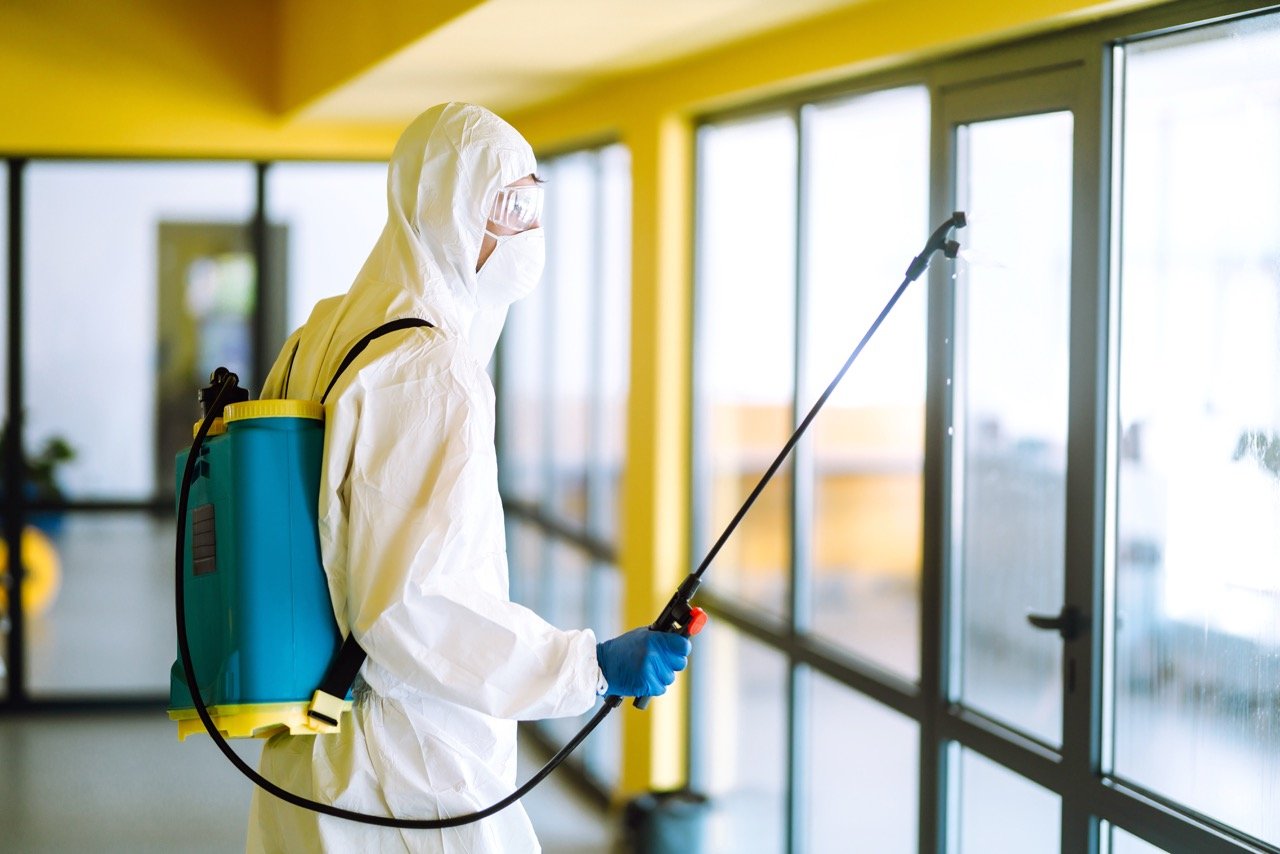
Professional pest control services can help:
- Identify the ant species.
- Locate nesting areas.
- Implement targeted treatments.
- Prevent future infestations.
- Develop a long-term pest management plan.
Persistent ant problems often require more than surface-level solutions.
Enjoy a Pest-Free Kitchen Year-Round
Your kitchen should be a place where you prepare meals and spend time with your family—not a place where ants feel at home.
By maintaining good sanitation habits, eliminating attractants, and addressing potential entry points, homeowners can dramatically reduce the likelihood of ant infestations throughout the year.
Combining preventive maintenance with professional pest control services offers the best protection for keeping your Florida home comfortable and pest-free.
Contact 911 Home Helps Today
Tired of dealing with ants in your kitchen? The experienced team at 911 Home Helps is here to help.