If you’ve lived in Florida for any length of time, chances are you’ve encountered a palmetto bug at least once. Whether it’s scurrying across the kitchen floor or appearing unexpectedly in the bathroom, these large insects are one of the most common household pests throughout the Sunshine State.
But why are palmetto bugs so common in Florida homes?
The answer lies in Florida’s unique climate. Warm temperatures, high humidity, and frequent rainfall create the perfect environment for these resilient pests to thrive year-round. While many people believe palmetto bugs are a separate species, they’re actually a type of cockroach—most commonly the American cockroach.
Understanding what attracts them and how they enter your home is the first step toward preventing an infestation.
What Are Palmetto Bugs?
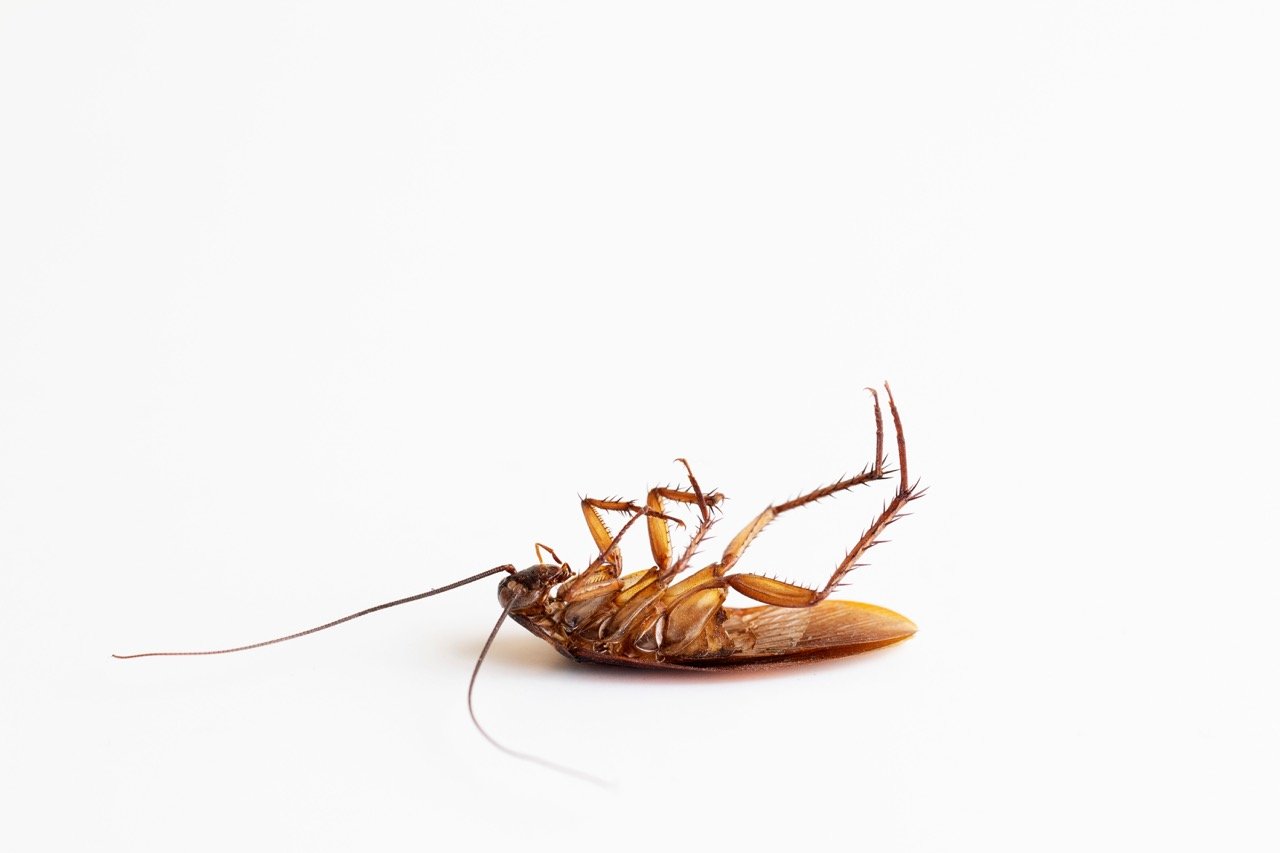
The term “palmetto bug” is commonly used in Florida to describe large cockroaches that are frequently found both outdoors and indoors.
Palmetto bugs are known for their:
- Reddish-brown color
- Large size (up to two inches long)
- Ability to fly short distances
- Preference for warm and humid environments
Although they typically live outdoors, they will gladly move inside if they find food, water, and shelter.
Why Are Palmetto Bugs So Common in Florida?
Florida provides nearly ideal living conditions for palmetto bugs throughout the entire year.
Several factors contribute to their abundance, including:
Warm Weather
Unlike colder states where cockroach populations decrease during winter months, Florida’s subtropical climate allows palmetto bugs to remain active in every season.
High Humidity
Palmetto bugs thrive in moist environments. Bathrooms, kitchens, laundry rooms, and garages provide plenty of humidity that attracts these pests indoors.
Frequent Rainfall
Heavy rain often drives palmetto bugs out of their outdoor hiding spots and into homes in search of dry shelter.
Abundant Food Sources
Crumbs, pet food, garbage bins, and even cardboard boxes can provide an easy meal for these opportunistic insects.
Where Do Palmetto Bugs Hide?
One of the reasons homeowners find palmetto bugs so unsettling is that they are excellent at hiding during the day.
Common hiding spots include:
- Under sinks
- Behind appliances
- Inside cabinets
- Laundry rooms
- Bathrooms
- Garages
- Crawl spaces
- Attics
- Outdoor mulch and landscaping
They are nocturnal pests, meaning you’re more likely to spot them at night when they emerge in search of food and water.
How Do Palmetto Bugs Get Inside Your Home?
You don’t need an infestation for a palmetto bug to make its way indoors. In fact, even well-maintained homes can occasionally experience problems.
They commonly enter through:
- Cracks in walls and foundations
- Gaps around doors and windows
- Plumbing openings
- Dryer vents
- Garage doors
- Roof vents
- Damaged weather stripping
Because they can squeeze into surprisingly small spaces, sealing entry points is an important part of prevention.
Are Palmetto Bugs Dangerous?
Although palmetto bugs do not bite or sting, they can pose certain health concerns.
These pests often travel through:
- Sewers
- Drains
- Trash areas
- Outdoor debris
As a result, they may carry bacteria and other contaminants on their bodies that can be transferred to surfaces inside your home.
In some cases, cockroach allergens can also contribute to respiratory issues or trigger allergies and asthma symptoms, particularly in children and sensitive individuals.
What Attracts Palmetto Bugs?
Palmetto bugs are constantly searching for three basic necessities:
- Food
- Water
- Shelter
Some of the most common household attractants include:
Moisture Problems
Leaky pipes, standing water, and poor ventilation create ideal conditions for palmetto bugs.
Food Sources
Leaving dirty dishes overnight or storing food improperly can make your home more appealing to pests.
Clutter
Cardboard boxes, storage areas, and cluttered garages provide excellent hiding spots.
Outdoor Landscaping
Mulch, wood piles, and dense vegetation placed too close to your home’s exterior can attract palmetto bugs and encourage them to move indoors.
How Can You Prevent Palmetto Bugs?
Fortunately, there are several simple steps homeowners can take to reduce the likelihood of encountering palmetto bugs.
Keep Your Home Clean
Regular cleaning can significantly reduce available food sources.
Remember to:
- Wipe countertops daily
- Vacuum frequently
- Store food in sealed containers
- Empty trash bins regularly
Reduce Moisture
Inspect your home for:
- Plumbing leaks
- Standing water
- Poor drainage
- Excess humidity
Using dehumidifiers in moisture-prone areas can also help.
Seal Entry Points
Check for cracks and gaps around:
- Windows
- Doors
- Pipes
- Exterior walls
Weather stripping and proper sealing can make a big difference.
Maintain Your Yard
Keeping landscaping properly maintained helps minimize outdoor pest populations.
Trim shrubs and avoid placing mulch directly against your home’s foundation whenever possible.
Should You Use DIY Treatments?
While sprays and traps can sometimes eliminate individual palmetto bugs, they rarely address the underlying cause of the problem.
DIY treatments often fail to:
- Identify nesting areas
- Address entry points
- Prevent recurring issues
- Control larger pest populations
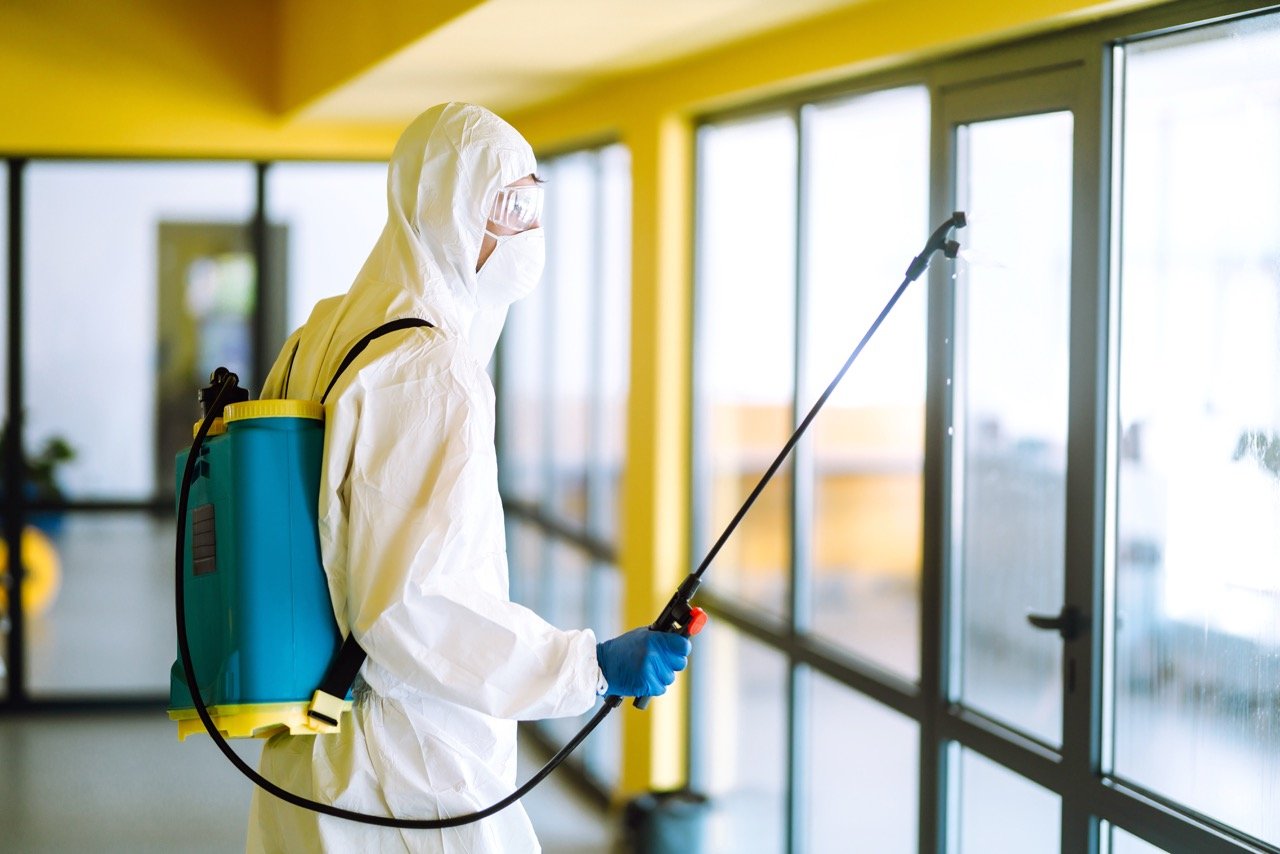
If palmetto bugs are appearing frequently inside your home, professional pest control services are typically the most effective long-term solution.
When Should You Call a Pest Control Professional?
Occasional sightings can happen in Florida, but if you’re noticing palmetto bugs regularly, it may indicate a larger pest problem.
You should consider scheduling an inspection if:
- You’re seeing multiple bugs each week.
- They appear during the daytime.
- They’re frequently found in kitchens or bathrooms.
- DIY solutions aren’t working.
- You’re concerned about sanitation or health risks.
Professional pest control specialists can identify the source of the problem and implement targeted treatments designed to keep your home protected year-round.
Protect Your Florida Home from Palmetto Bugs
Palmetto bugs may be common in Florida, but that doesn’t mean they have to become permanent residents in your home. Understanding what attracts them and taking preventive measures can significantly reduce your risk of infestations.
With Florida’s warm and humid climate, regular pest prevention is one of the best investments homeowners can make to maintain a clean, comfortable, and pest-free environment.
Contact 911 Home Helps Today
Tired of dealing with palmetto bugs in your Florida home? The team at 911 Home Helps is ready to help with professional pest control solutions designed specifically for Florida homeowners.