When homeowners consider scheduling pest control services, one of the first questions that comes to mind is whether the treatments are safe for their loved ones. This concern is especially common among families with young children and pets who spend much of their time playing and relaxing at home.
The good news is that modern professional pest control treatments are designed with safety in mind. When applied correctly by trained professionals, pest control services can effectively eliminate and prevent pests while helping to maintain a safe environment for your family.
Understanding how professional pest control works—and what precautions are taken—can provide peace of mind when protecting your home from unwanted pests.
Why Homeowners Worry About Pest Control Treatments
It’s natural to be cautious about anything applied inside or around your home. Many people associate pest control with harsh chemicals or outdated treatment methods that required homeowners to leave their properties for extended periods.
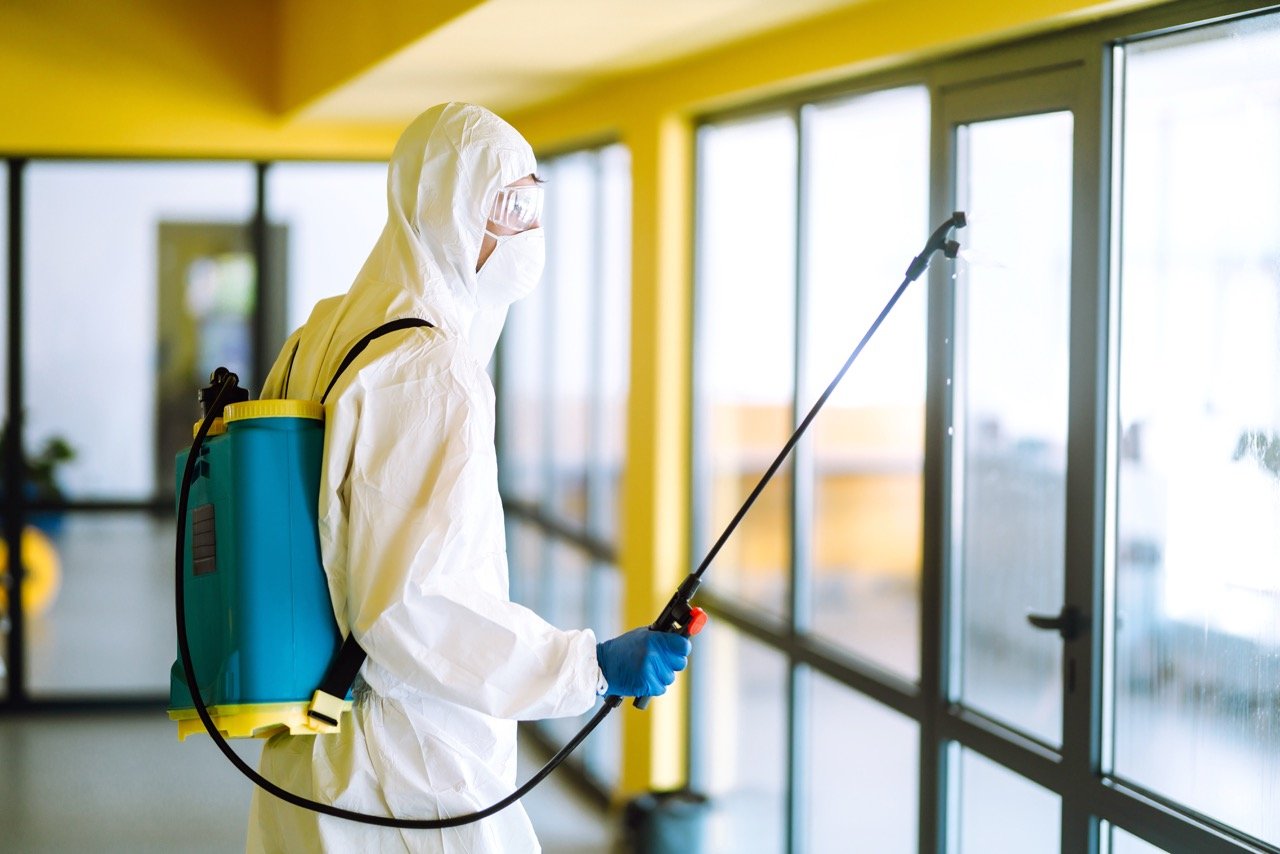
Today, however, professional pest control has evolved significantly. Licensed pest control specialists use targeted treatments and follow strict application guidelines designed to minimize unnecessary exposure while maximizing effectiveness.
Homeowners are often concerned about:
- Children’s safety.
- Pets coming into contact with treated areas.
- Indoor air quality.
- Chemical exposure.
- Residue left behind after treatments.
Fortunately, modern pest management practices prioritize both safety and efficiency.
Are Professional Pest Control Treatments Safe?
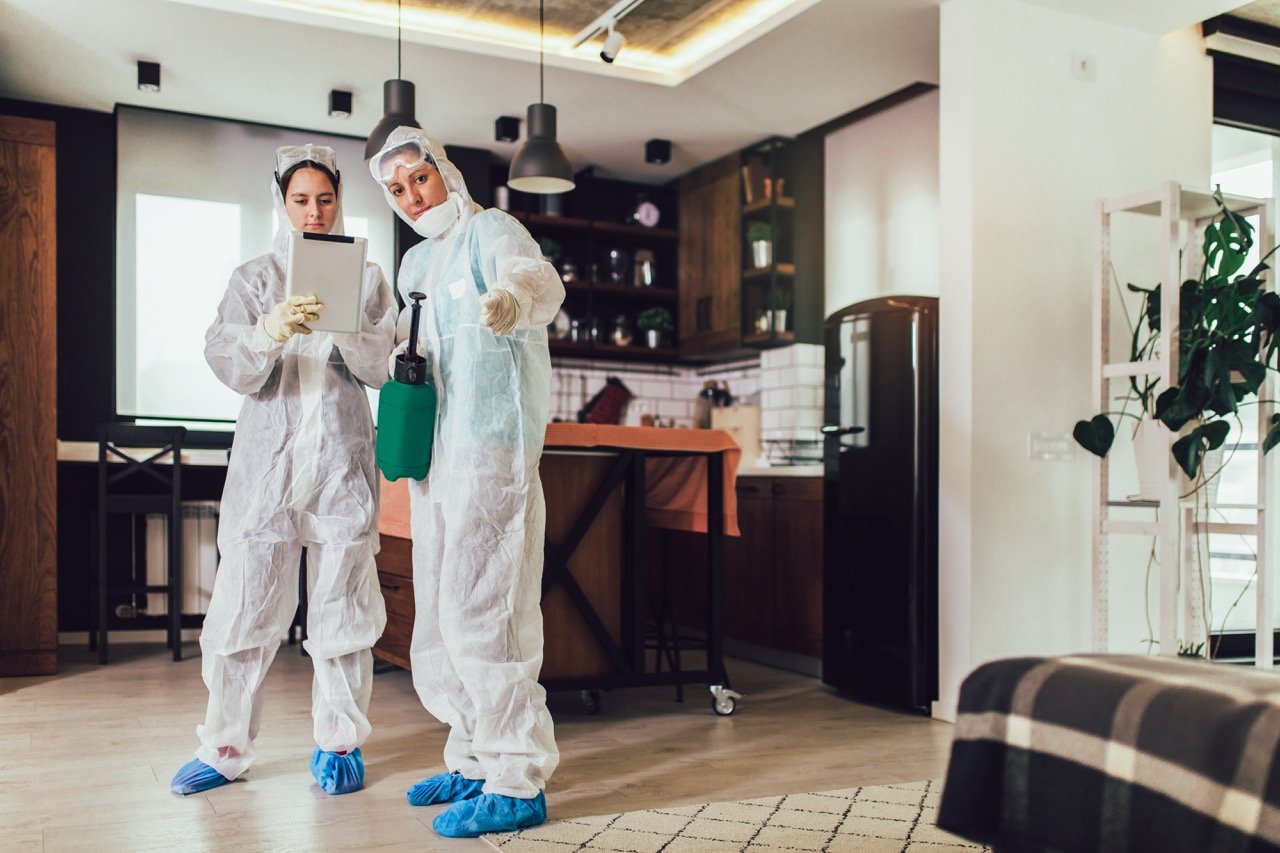
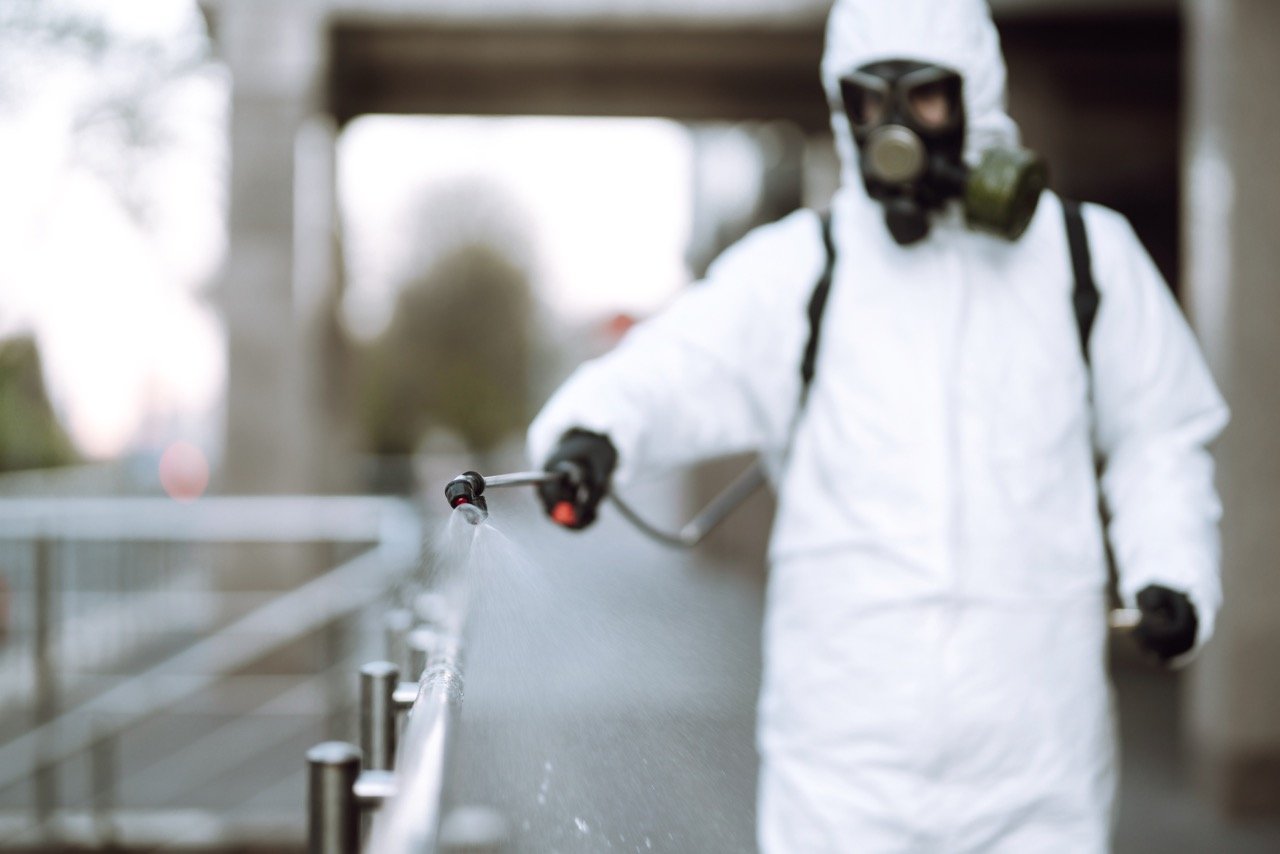
In most cases, yes. Professional pest control services are considered safe when performed by trained technicians who follow manufacturer guidelines and industry best practices.
Modern pest control products are carefully tested and regulated before being approved for use. Professionals are trained to:
- Apply treatments appropriately.
- Use the correct amount of product.
- Identify the safest treatment methods for each situation.
- Provide homeowners with any necessary safety instructions.
Additionally, many treatments are applied strategically in areas that reduce direct contact while remaining highly effective against pests.
Is Pest Control Safe for Children?
Children are naturally curious and often spend time playing on floors, carpets, and outdoor spaces. This is why pest control professionals take extra precautions when treating homes with young family members.
Depending on the type of service being performed, technicians may recommend:
- Keeping children away from treated areas until they are completely dry.
- Following specific post-treatment instructions.
- Scheduling treatments during times when the family can comfortably remain out of the treatment area if necessary.
For routine preventive pest control services, many treatments are designed to have minimal impact on daily household activities once properly applied.
Open communication with your pest control provider is essential to ensure treatment plans align with your family’s needs.
Is Pest Control Safe for Pets?
Pet owners often worry about dogs and cats walking through treated areas or accidentally ingesting pest control products.
Professional pest control companies understand these concerns and typically provide detailed recommendations before and after treatment.
Common precautions include:
- Temporarily keeping pets away from treated areas.
- Waiting until products have dried before allowing pets back into certain spaces.
- Storing pet food and water dishes appropriately during treatments.
- Informing technicians about all household pets before service begins.
When treatments are performed properly and safety instructions are followed, professional pest control can be safely incorporated into pet-friendly homes.
What Makes Modern Pest Control Different?
The pest control industry has shifted toward more targeted and environmentally conscious treatment methods over the years.
Modern pest management often focuses on:
- Preventive treatments.
- Integrated Pest Management (IPM) strategies.
- Precision applications.
- Reduced product usage.
- Customized treatment plans.
Rather than applying products indiscriminately, professionals identify the source of pest activity and develop solutions tailored to your property’s specific needs.
This approach not only improves effectiveness but also minimizes unnecessary treatments.
Should You Mention Your Children and Pets Before Treatment?
Absolutely.
Providing information about your household helps pest control professionals recommend the safest and most effective treatment options.
Be sure to mention:
- Dogs
- Cats
- Birds
- Fish tanks
- Small pets
- Infants or toddlers
- Family members with sensitivities or allergies
The more information your technician has, the better they can tailor their recommendations.
Are DIY Pest Control Products Safer?
Many homeowners assume that over-the-counter pest control products are automatically safer simply because they’re readily available in stores.
However, improper use of DIY products can actually increase risks.
Common mistakes include:
- Applying too much product.
- Using treatments in inappropriate areas.
- Combining different chemicals.
- Ignoring label instructions.
- Applying products more frequently than recommended.
Professional pest control services help eliminate this guesswork by ensuring products are used properly and responsibly.
Can Pest Control Improve Your Family’s Health?
While pest control treatments are often viewed solely as a way to eliminate insects, they can also contribute to a healthier home environment.
Many common household pests can:
- Contaminate food.
- Spread bacteria.
- Trigger allergies.
- Worsen asthma symptoms.
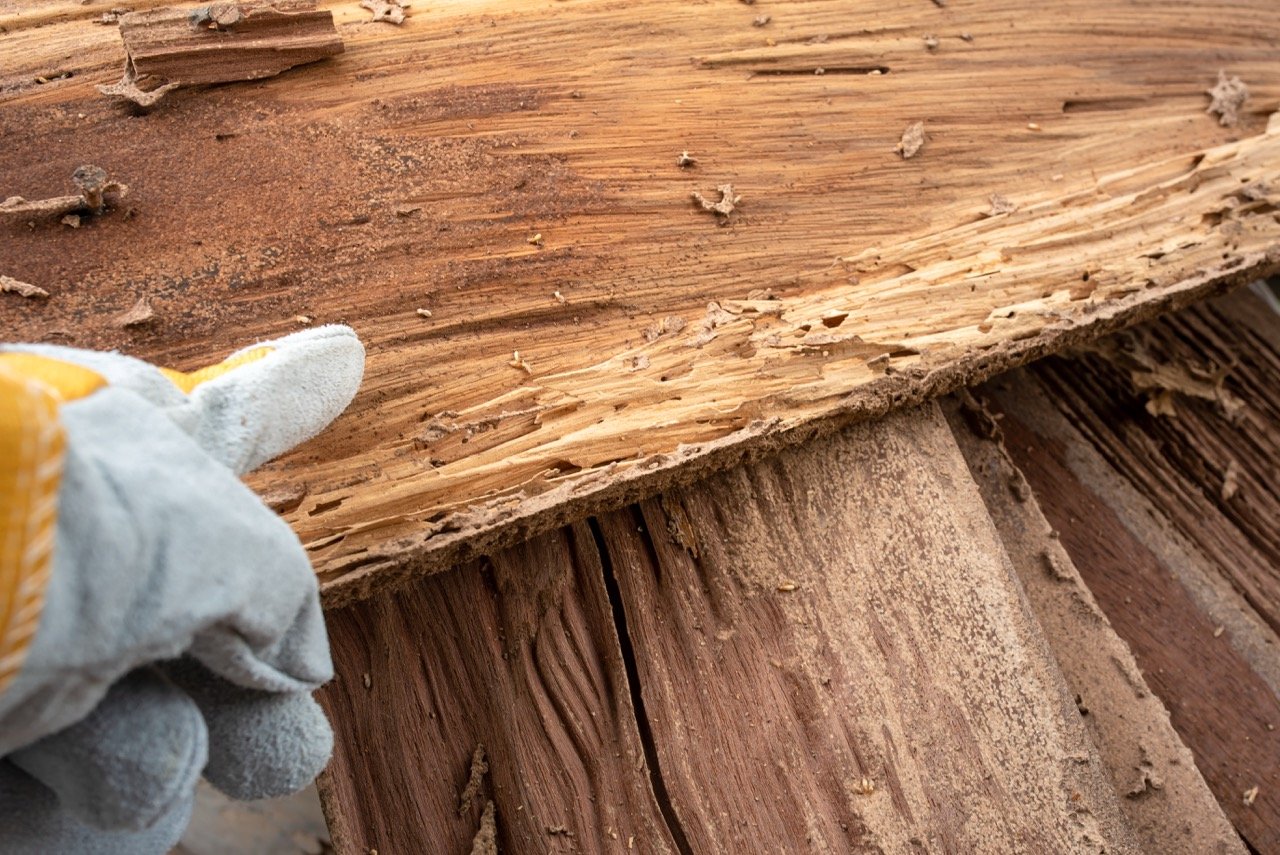
- Damage property.
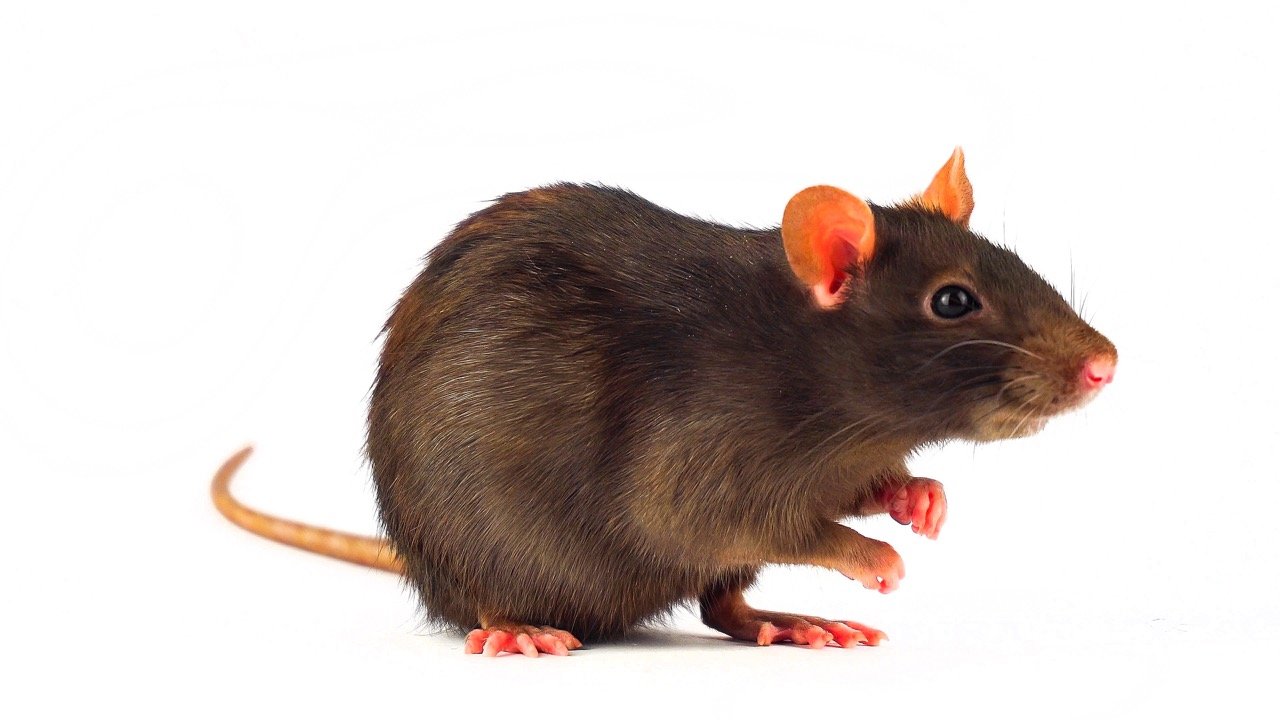
Cockroaches, for example, are known to contribute to respiratory issues in some individuals. Rodents can contaminate food storage areas, and mosquitoes may carry diseases in certain regions.
Preventing pest infestations can help reduce these potential health concerns and improve overall comfort within your home.
Tips for Keeping Your Home Pest-Free
In addition to professional treatments, homeowners can take simple steps to minimize pest activity:
- Store food in sealed containers.
- Repair plumbing leaks promptly.
- Keep kitchens and bathrooms clean.
- Seal cracks and entry points.
- Maintain proper yard drainage.
- Schedule regular pest inspections.
- Remove standing water around your property.
Combining preventive measures with routine pest control services provides the best long-term protection for your family and home.
Protect What Matters Most
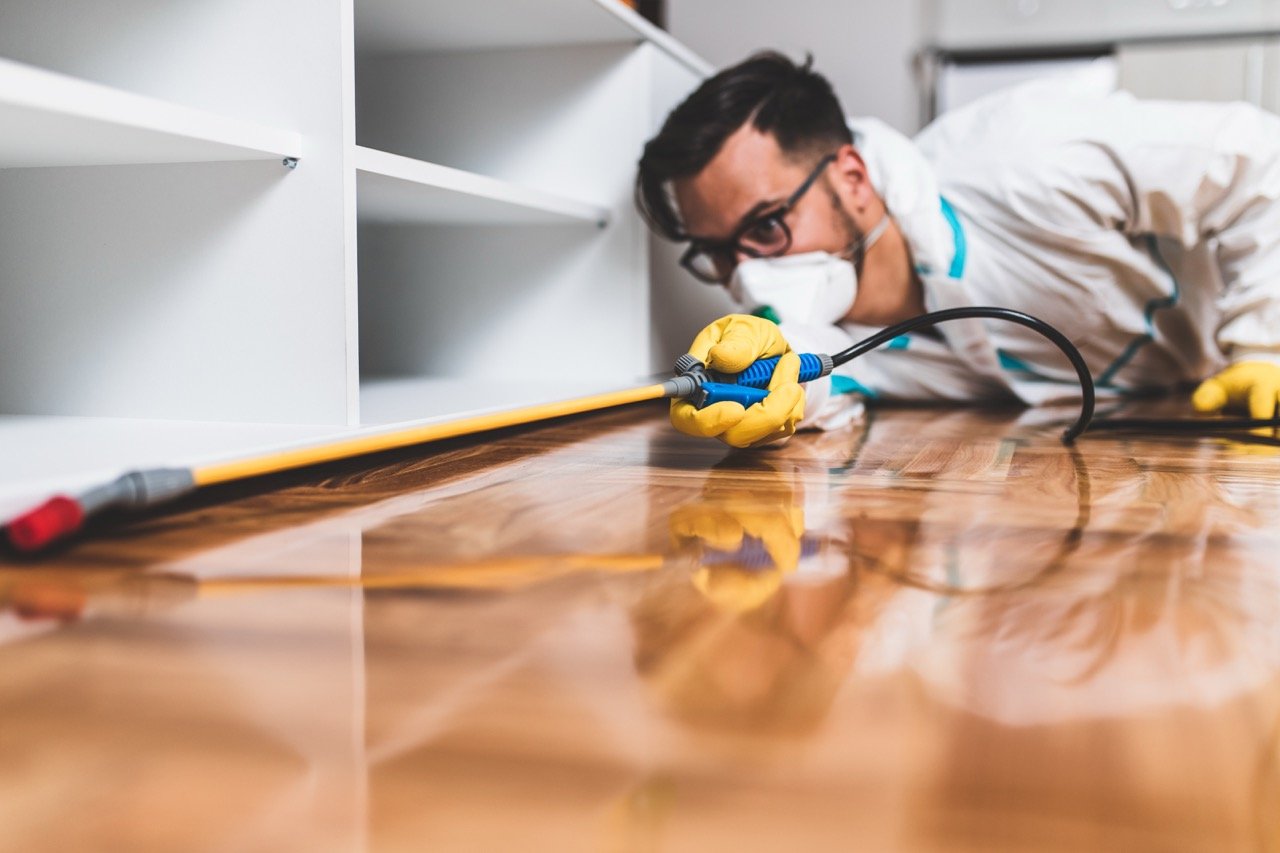
Your home should be a safe and comfortable place for every member of your family—including your pets. Professional pest control services are designed to help protect your property from unwanted pests while prioritizing the safety of the people and animals who live there.
By working with experienced pest control professionals and following recommended guidelines, homeowners can confidently enjoy the benefits of effective pest prevention and treatment.
Contact 911 Home Helps Today
Have questions about pest control treatments for your family or pets? The team at 911 Home Helps is happy to help.