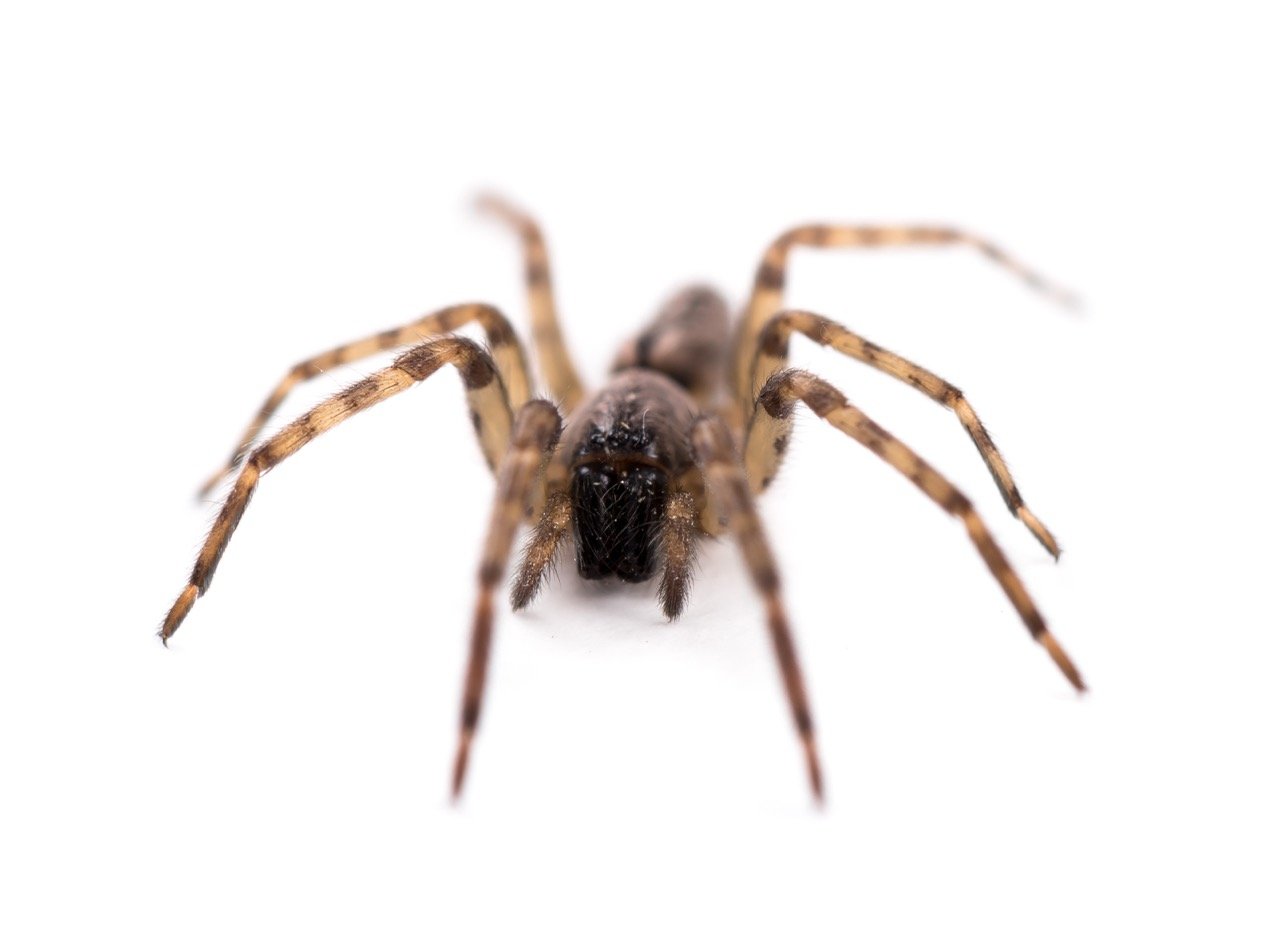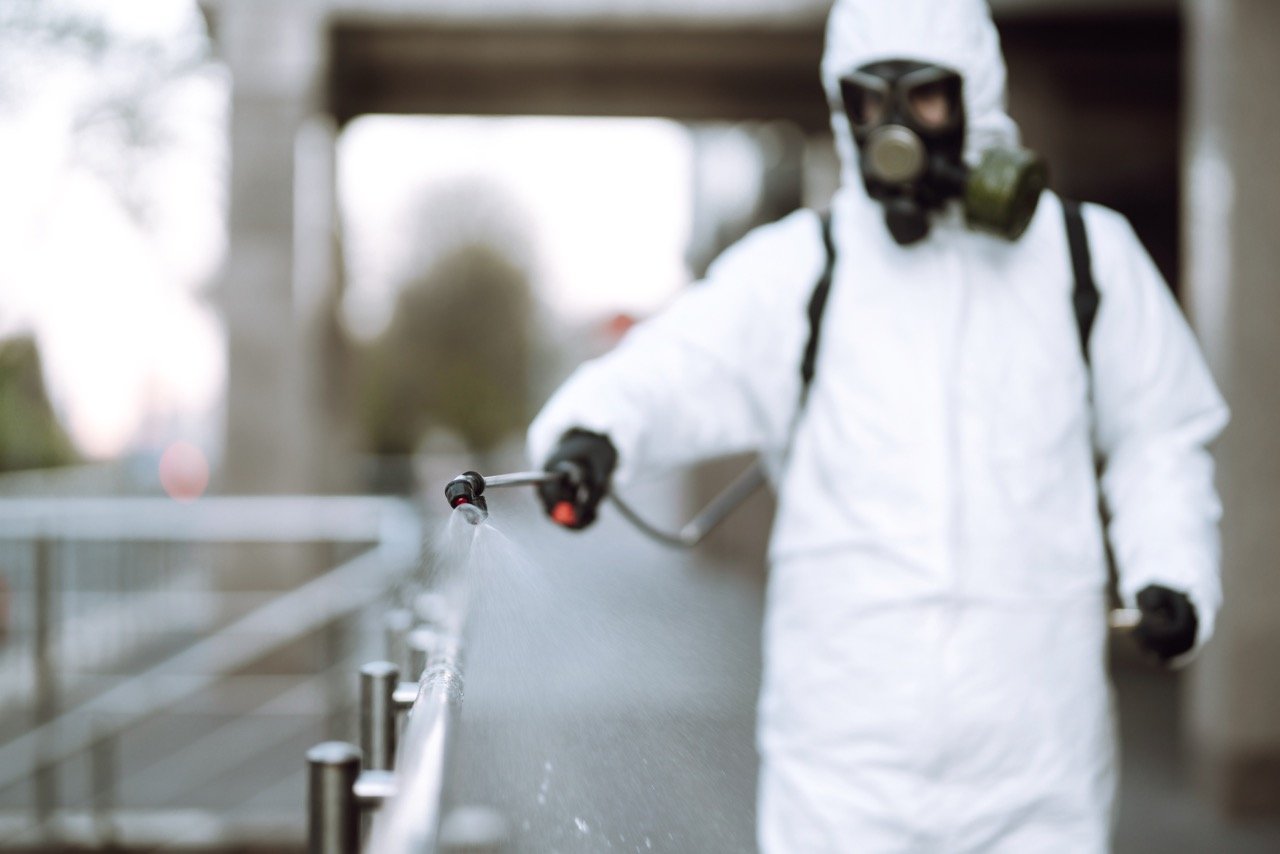
As hurricane season approaches, most homeowners focus on shuttering windows, reinforcing structures, and stocking up on emergency supplies. However, one critical area that’s often overlooked is pest control. Storms create perfect conditions for pest infestations, such as excess moisture, structural gaps, and displaced vegetation, all provide shelter and food sources for unwanted invaders.
Effective pest control during hurricane season requires both prevention and preparedness. Understanding how pests respond to these weather events helps homeowners take smart, proactive steps before and after a storm. This article explores key considerations that can protect your property and health when weather conditions turn severe.
Why Storms Attract Pests
Hurricanes create environmental disturbances that force pests to seek new shelter. Heavy rains, flooding, and high winds often damage natural habitats, pushing rodents, cockroaches, ants, and mosquitoes into homes and garages. Even after the storm, residual moisture and organic debris can foster ideal conditions for insect breeding.
Increased pest activity is common in the weeks following a major storm. Foundation cracks, torn screens, and broken siding become easy entry points. Additionally, standing water from clogged gutters or poor drainage promotes mosquito breeding.
To minimize risk, pest control strategies must be included in your hurricane preparation plan. These measures help reduce the likelihood of infestation during a time when recovery is already stressful and resources are stretched thin.
Pre-Storm Preparation Checklist
Well before a storm hits, homeowners can take the following steps to limit pest access and eliminate attractants:
- Seal entry points: Inspect your home for small gaps around windows, doors, vents, and utility lines. Use silicone caulk or weather-resistant sealant to close them.
- Trim vegetation: Overhanging branches, shrubs, and thick ground cover provide bridges and shelter for pests. Trim foliage at least 3 feet from your structure.
- Clean gutters and drains: Remove debris to allow proper drainage and avoid stagnant water buildup, a key mosquito breeding site.
- Secure garbage bins: Make sure lids are tightly sealed and containers are stored off the ground.
- Inspect crawlspaces and attics: Ensure access panels are tight-fitting and screens over vents are intact to prevent rodent intrusion.
- Repair or cover vents: Use mesh or screening on soffit and gable vents to keep flying insects and small animals out.
These steps can help reduce pest pressure in and around your home when the storm passes and environmental conditions become more favorable for infestations.
Pest Surge After the Storm
Once a hurricane has passed, the aftermath can bring a noticeable uptick in pest activity. Flooded landscapes, water-damaged materials, and power outages create ideal conditions for opportunistic pests.
Post-storm pest problems often include:
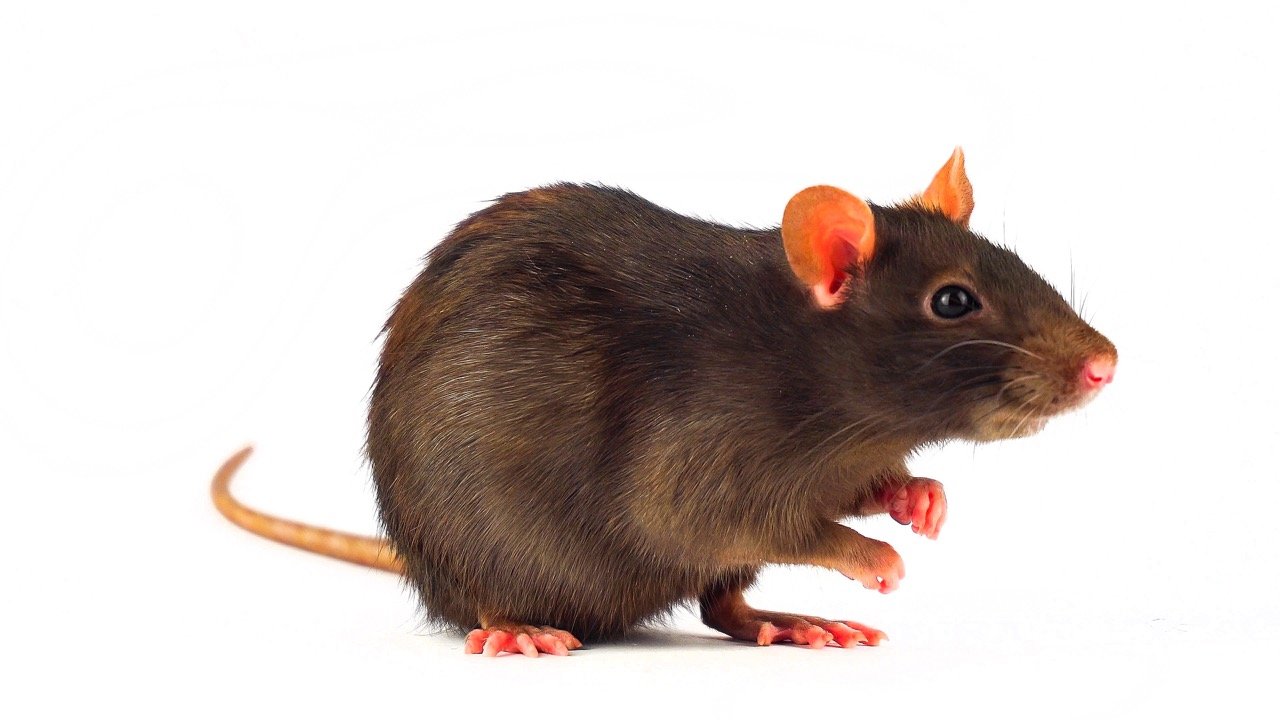
- Rodents seeking dry shelter in attics and garages
- Mosquitoes breeding in stagnant puddles, containers, and storm debris
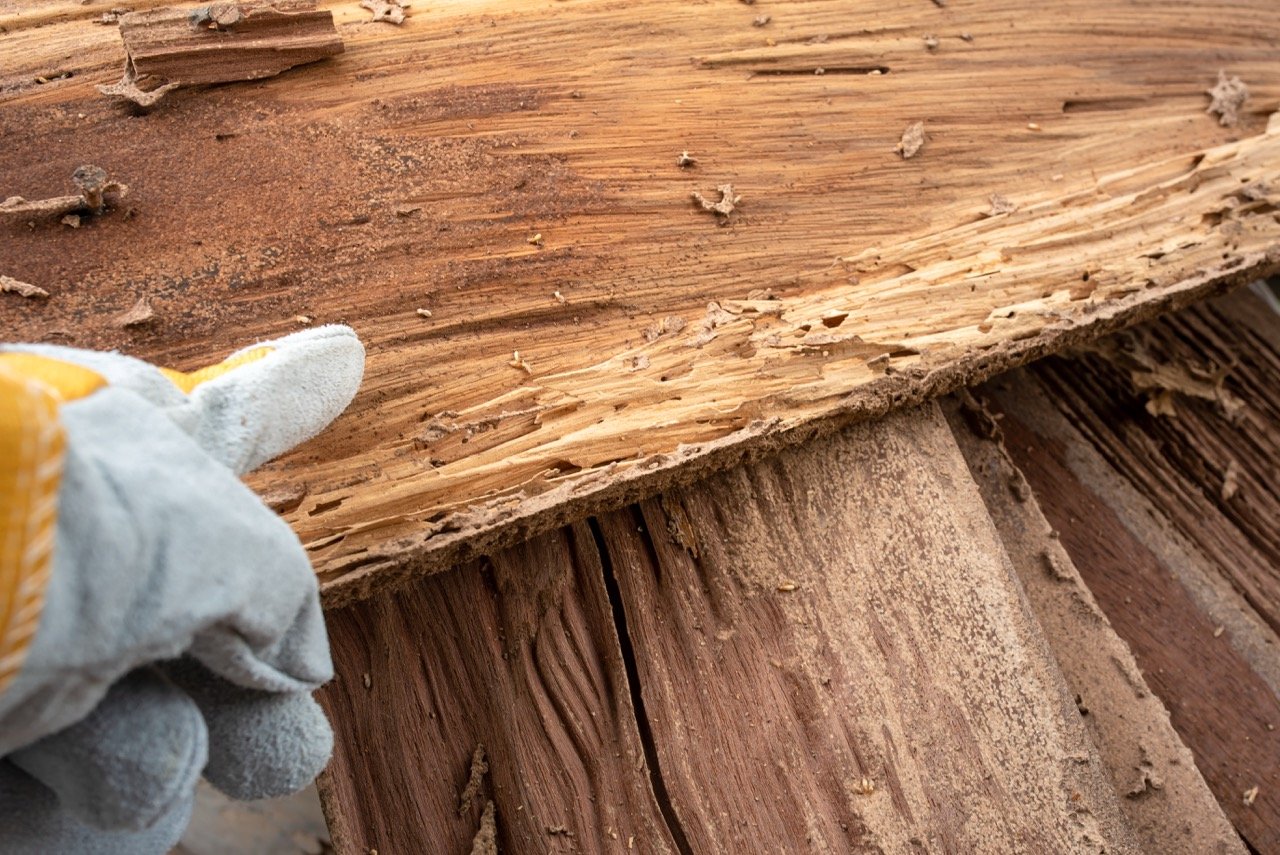
- Termites and ants targeting softened wood or damp foundations
- Cockroaches thriving in moist crawlspaces and water-damaged insulation
In Florida and other hurricane-prone regions, seasonal pest patterns intensify during storm season due to prolonged humidity and displaced pest populations. Understanding these patterns helps guide pest control efforts after a storm.
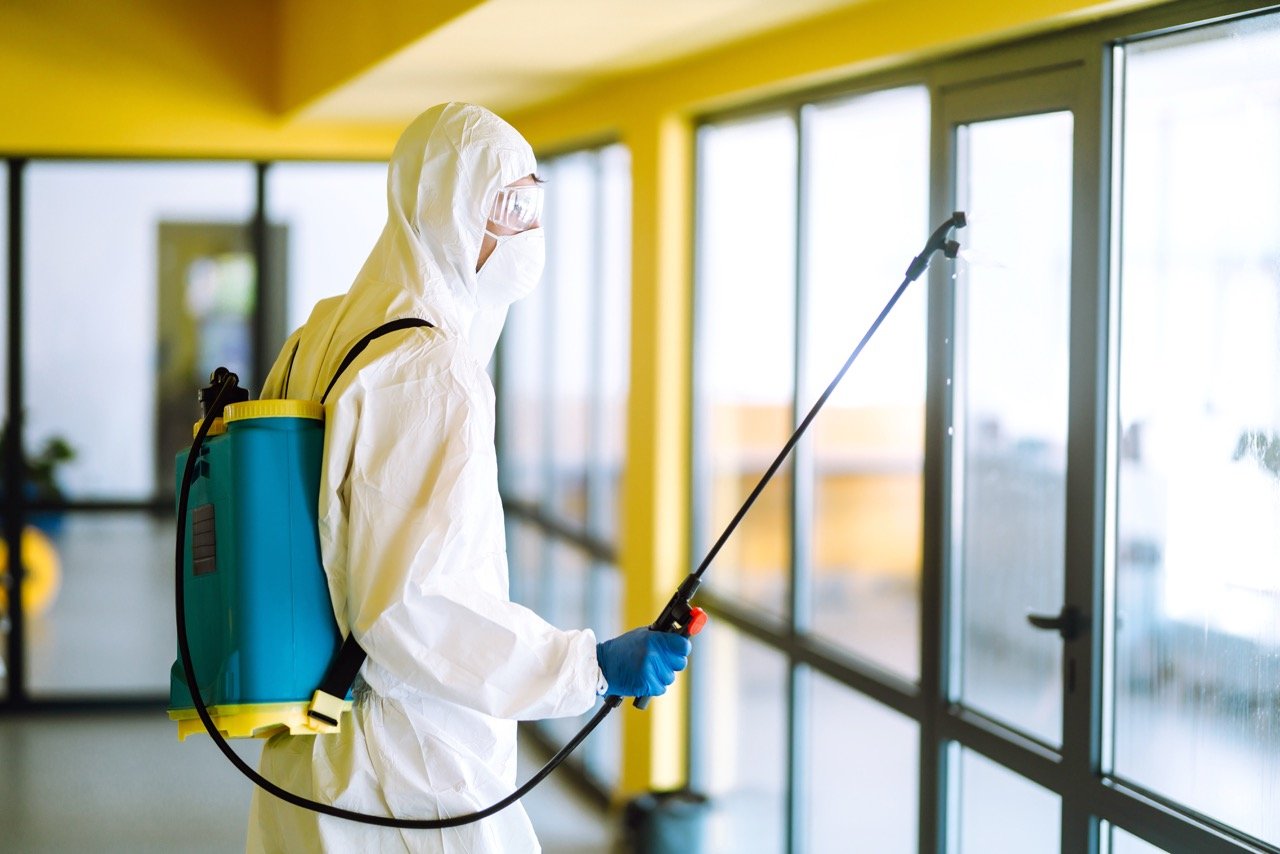
While homeowners may be tempted to manage these issues independently, improper pesticide use can pose health risks and fail to address the underlying cause. Targeted treatment by trained professionals ensures infestations are managed efficiently and safely.
Long-Term Pest Protection Matters
Pest control should not be limited to post-storm cleanup. Preventive measures carried out year-round make a significant difference in how well your home withstands pest pressure after extreme weather.
Consider these long-term strategies:
- Invest in moisture control systems like sump pumps, dehumidifiers, and sealed crawlspaces.
- Schedule regular pest inspections to catch early signs of infestation before storms amplify the problem.
- Install physical barriers such as rodent-proof flashing and mesh screens.
- Reinforce pest exclusion work following any home repairs or renovations.
- Store firewood and debris well away from the foundation to deter termites and ants.
Professional treatments also offer cost-saving benefits. Learn why professional pest control remains one of the most practical ways to avoid recurring expenses linked to storm-driven infestations.
When to Seek Professional Help
It’s crucial to recognize when pest control requires more than basic maintenance. Storm-related infestations are often complex, involving multiple pest species and hard-to-reach entry points. Professional technicians bring the tools, knowledge, and precision to address these situations thoroughly.
A pest expert can:
- Identify vulnerable areas overlooked during self-inspections
- Treat breeding sites using targeted methods that minimize risk to humans and pets
- Help you establish a long-term pest prevention plan tailored to your home’s structure and climate
- Monitor pest activity to ensure infestations do not recur with future storms
Attempting to control pests without training often results in incomplete treatment or re-infestation. In hurricane season, when time and safety are critical, seeking professional help is a wise and practical decision.