Termites are among the most destructive household pests in the United States, causing billions of dollars in property damage each year. In Florida, where warm temperatures and high humidity create ideal conditions for termite activity, homeowners face an even greater risk of infestation.
One of the most common questions homeowners ask after discovering termite damage is whether their home insurance policy will cover the necessary repairs. Unfortunately, the answer often comes as an unpleasant surprise.
In most cases, standard homeowners insurance policies do not cover termite damage. Insurance companies generally consider termite infestations to be preventable through regular home maintenance and inspections.
Understanding how termite damage affects your home insurance coverage can help you avoid unexpected expenses and protect one of your most valuable investments—your home.
Does Homeowners Insurance Cover Termite Damage?
While every insurance policy is different, termite damage is typically excluded from standard homeowners insurance coverage.
Insurance companies usually cover sudden and accidental events such as:
- Fire.
- Storm damage.
- Theft.
- Certain types of water damage.
- Fallen trees.
Termite infestations, however, are generally classified as a maintenance issue that develops over time. Because homeowners are expected to take preventive measures against pests, insurers rarely provide coverage for termite-related repairs.
This means that if termites damage your home’s structure, the cost of repairs will likely be your responsibility.
Why Isn’t Termite Damage Covered?
Insurance providers often view termite damage similarly to other preventable maintenance issues.
Termites do not cause immediate destruction overnight. Instead, infestations can remain hidden for months—or even years—before becoming noticeable.
From an insurance company’s perspective, termite damage is often considered preventable through:
- Routine home maintenance.
- Regular termite inspections.
- Early pest detection.
- Proper moisture control.
- Preventive termite treatments.
For this reason, homeowners are encouraged to take proactive steps to reduce their risk of infestation.
How Much Damage Can Termites Cause?
Termites may be small, but the damage they cause can be significant.
A severe termite infestation can affect:
- Wooden support beams.
- Flooring systems.
- Walls and ceilings.
- Window and door frames.
- Cabinets.
- Decks and patios.
- Structural components of the home.
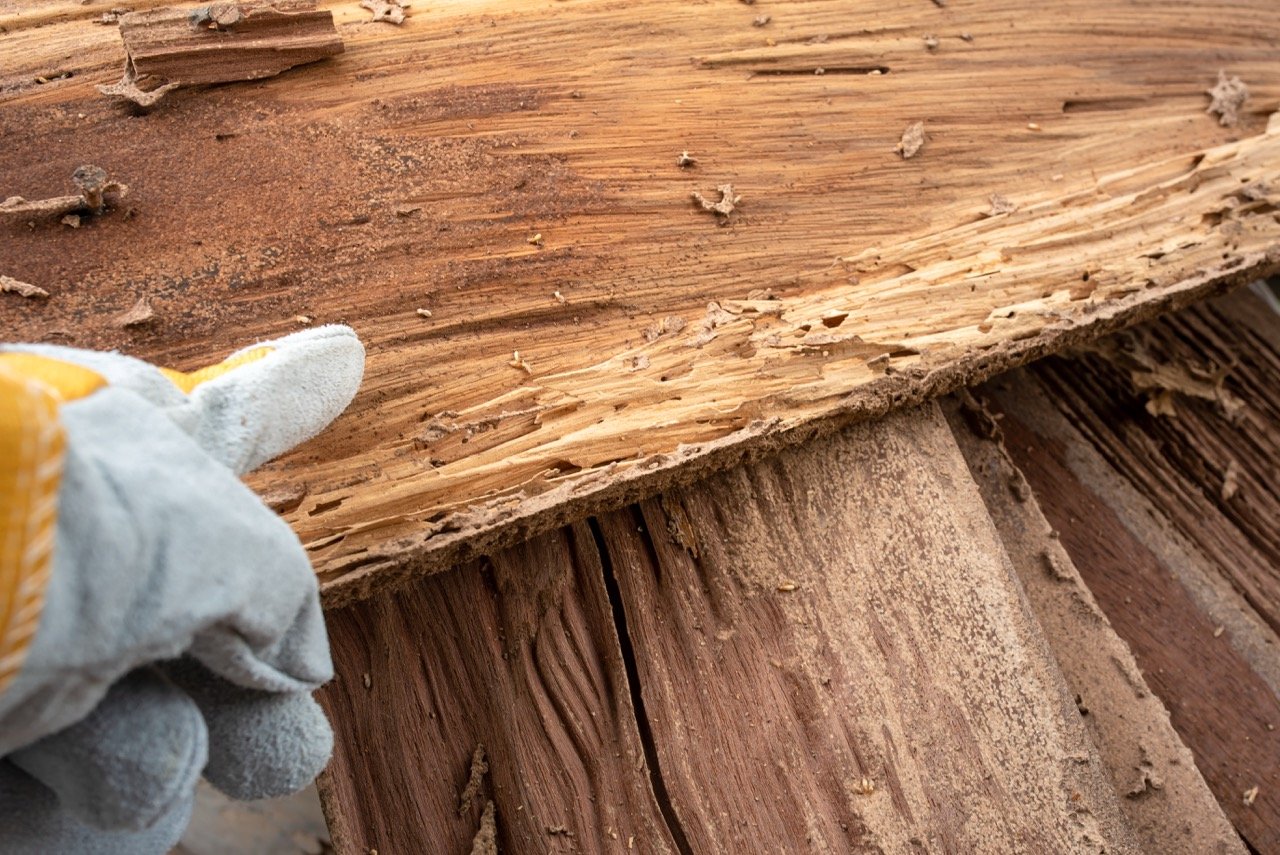
Because termites consume wood from the inside out, homeowners often don’t realize there’s a problem until substantial damage has already occurred.
Repair costs can range from minor cosmetic fixes to extensive structural renovations, depending on the severity of the infestation.
Signs Your Home May Have Termite Damage
Early detection is one of the most effective ways to minimize termite-related expenses.
Watch for common warning signs such as:
- Hollow-sounding wood.
- Mud tubes along the foundation.
- Discarded termite wings.
- Bubbling or peeling paint.
- Sagging floors.
- Tight-fitting doors and windows.
- Small holes in drywall or wood surfaces.
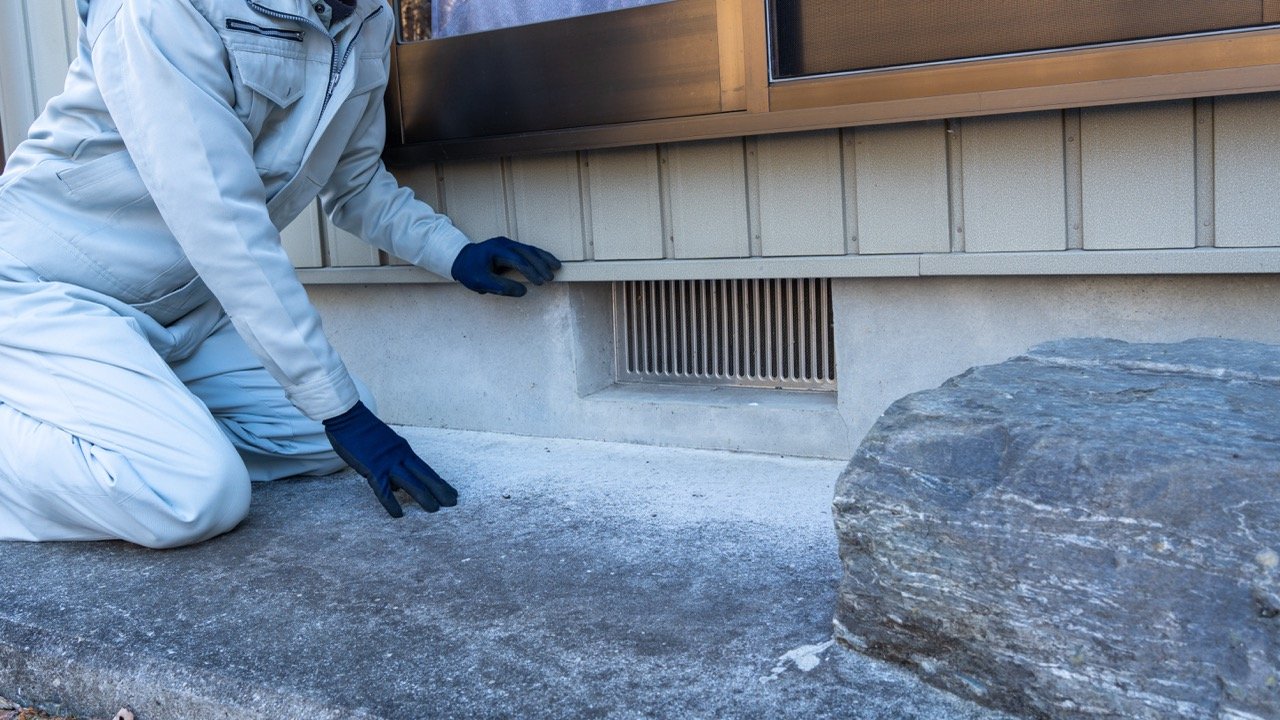
If you notice any of these symptoms, scheduling a professional termite inspection is highly recommended.
Can Regular Inspections Save You Money?
Absolutely.
Routine termite inspections are often far less expensive than repairing extensive structural damage. Identifying termite activity early allows homeowners to address infestations before they become major financial burdens.
Preventive inspections can help:
- Detect termite colonies early.
- Identify vulnerable areas around your property.
- Prevent costly repairs.
- Protect your home’s value.
- Provide peace of mind.
In Florida, regular termite inspections are one of the smartest investments homeowners can make.
Why Florida Homes Are Especially Vulnerable
Florida’s climate creates ideal conditions for several termite species, including:
- Subterranean termites.
- Drywood termites.
- Formosan termites.
These pests thrive in warm, humid environments and can remain active throughout much of the year.
Homes may be at increased risk if they have:
- Moisture problems.
- Wood-to-soil contact.
- Poor drainage.
- Untreated wooden structures.
- Previous termite activity.
Even newly constructed homes can experience termite problems if preventive measures are not maintained.
What Happens If You Discover Termites?
If termites are found in your home, it’s important to act quickly.
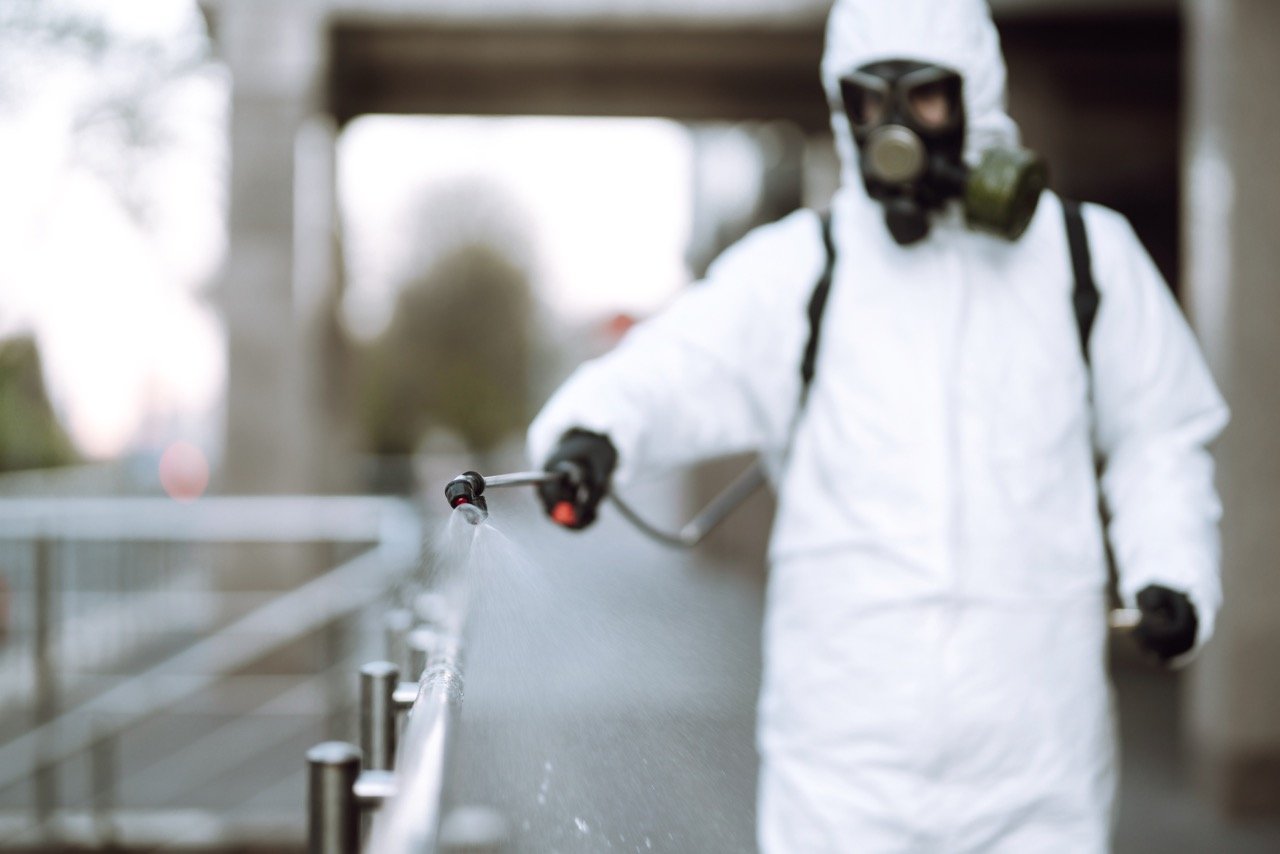
Professional pest control specialists can:
- Conduct a thorough termite inspection.
- Identify the termite species involved.
- Recommend effective treatment options.
- Assess potential risk areas.
- Develop a prevention plan moving forward.
The sooner treatment begins, the less opportunity termites have to cause additional damage.
How Can You Protect Your Investment?
Protecting your home from termites involves a combination of prevention, routine maintenance, and professional inspections.
Some helpful preventive measures include:
- Scheduling annual termite inspections.
- Repairing plumbing leaks promptly.
- Improving drainage around your home.
- Keeping wood materials away from soil.
- Monitoring signs of termite activity.
- Maintaining routine pest control services.
Preventive care is almost always more affordable than major repairs.
Is Professional Termite Protection Worth It?
Considering that termite damage is rarely covered by homeowners insurance, investing in preventive termite protection is often a financially responsible decision.
Professional termite services can help homeowners:
- Reduce the likelihood of infestations.
- Protect structural components.
- Save money on future repairs.
- Maintain their property’s value.
- Enjoy greater peace of mind.
When it comes to termites, waiting until damage becomes visible can be an expensive mistake.
Protect Your Florida Home Before Problems Begin
Termites may be small, but the financial consequences of an infestation can be substantial—especially when home insurance doesn’t cover the damage.
Routine inspections and preventive pest control services remain the most effective ways to safeguard your home and avoid unexpected repair costs.
Taking action early can help preserve both your property and your peace of mind for years to come.
Contact 911 Home Helps Today
Concerned about termites or wondering whether your home is properly protected? The experts at 911 Home Helps are here to help.