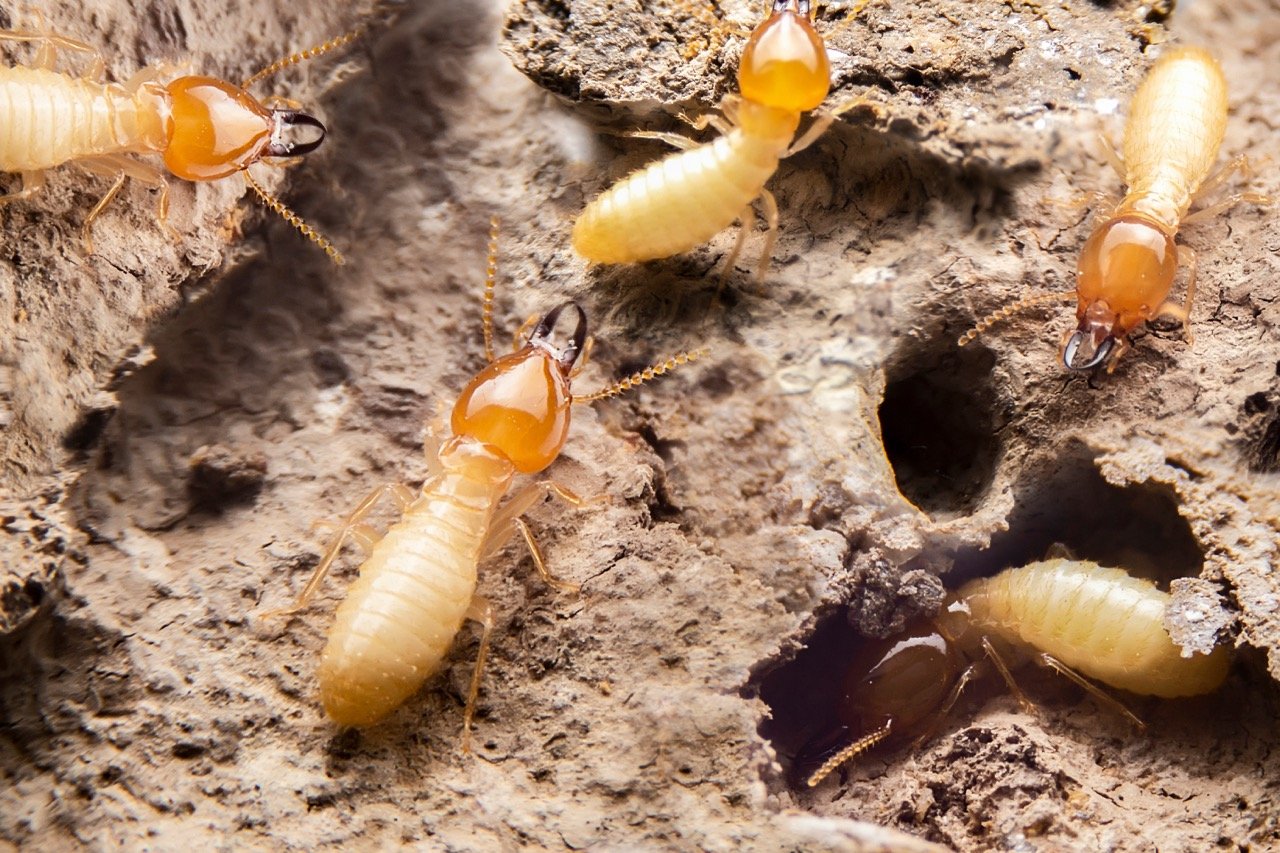
Florida homeowners face many pest-related challenges throughout the year, but few are as destructive as termites. Thanks to the state’s warm and humid climate, termites thrive in Florida and can cause significant structural damage before homeowners even realize there’s a problem.
A termite infestation in Florida often begins quietly. Unlike other household pests, termites work behind walls, beneath floors, and inside wooden structures, making them difficult to detect during the early stages. By the time visible damage appears, repairs can become expensive and extensive.
Knowing what signs to look for can help you identify an infestation early and protect your home from unnecessary damage.
1. Hollow or Damaged Wood
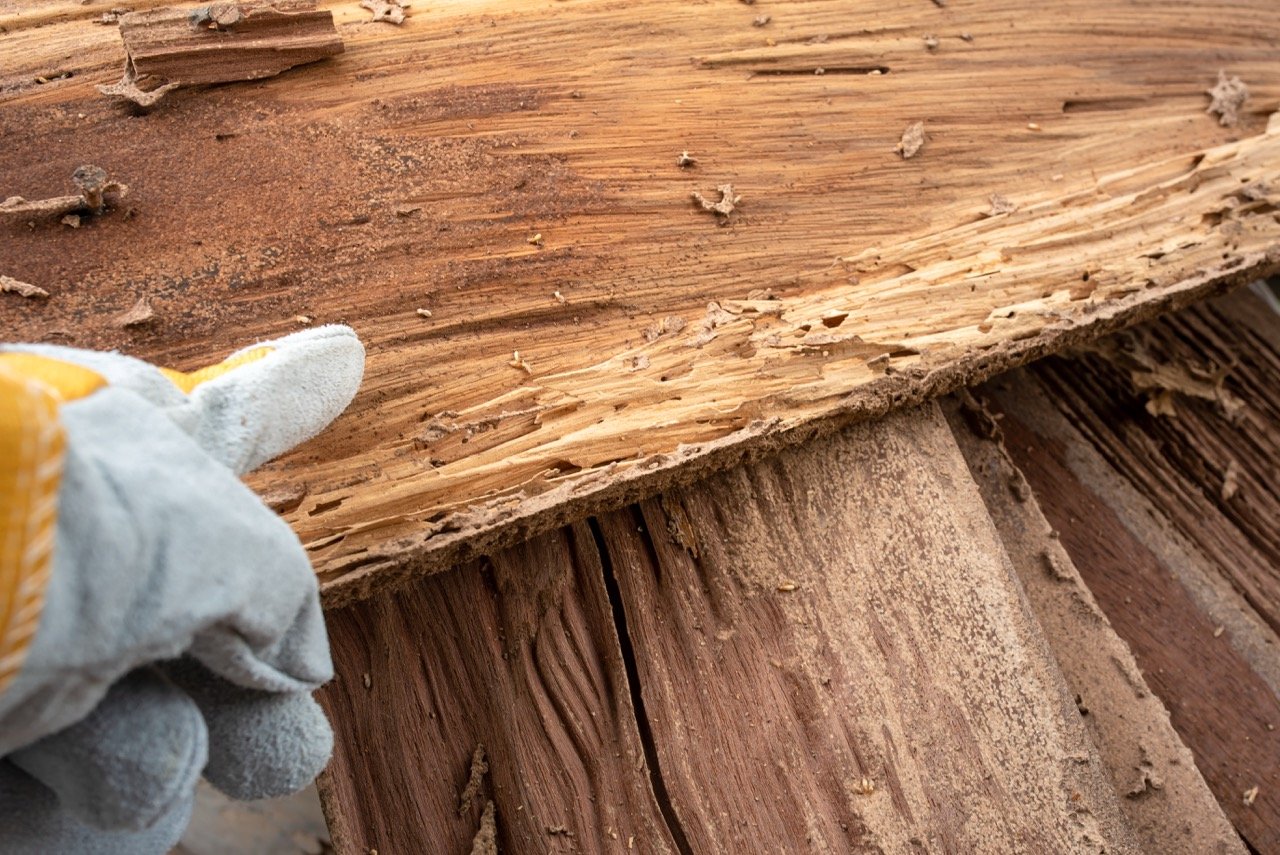
One of the most common signs of a termite infestation in Florida is wood that sounds hollow when tapped.
Termites consume wood from the inside out, leaving only a thin outer layer intact. Areas around:
- Door frames
- Baseboards
- Wooden floors
- Cabinets
- Window frames
- Decks and patios
may appear normal at first glance but can be severely damaged internally.
If you notice wood that feels soft, crumbles easily, or produces a hollow sound, it’s time to schedule a professional inspection.
2. Mud Tubes Around Your Home
Subterranean termites, one of Florida’s most destructive termite species, build mud tubes to travel between their colony and food sources.
These pencil-sized tunnels are often found:
- Along foundation walls
- Near crawl spaces
- Around plumbing penetrations
- On exterior walls
- Inside garages
Mud tubes provide termites with moisture and protection while they travel. If you spot them, do not remove them immediately without having your property inspected, as they are a strong indicator of active termite activity.
3. Discarded Wings Near Windows and Doors
Flying termites, also known as swarmers or alates, emerge when termite colonies mature and begin reproducing.
After finding a suitable place to establish a new colony, they shed their wings. Homeowners often find these discarded wings near:
- Windowsills
- Sliding glass doors
- Light fixtures
- Entryways
- Garage doors
Seeing termite wings inside your home is one of the earliest warning signs of a termite infestation in Florida.
4. Buckling or Warped Floors
Termites can weaken flooring materials from underneath, causing them to:
- Warp
- Bubble
- Buckle
- Sag
Because Florida homeowners often blame humidity for flooring issues, termite damage may go unnoticed for months.
If certain areas of your flooring suddenly feel uneven or soft when walking, termites may be the culprit.
5. Tight-Fitting Doors and Windows
Have you recently struggled to open or close your doors and windows?
Termite activity can introduce moisture into wooden structures, causing them to expand and warp. While seasonal weather changes can sometimes cause similar issues, persistent swelling may indicate hidden termite damage.
This symptom is particularly common in homes with wooden window frames and doors.
6. Small Holes or Cracks in Walls
Drywood termites are another common species found throughout Florida. They often live entirely within wooden structures without needing contact with the soil.
Signs of their presence may include:
- Tiny pin-sized holes in drywall
- Small cracks in painted surfaces
- Bubbling paint
- Uneven wall textures
Because drywood termites are difficult to detect without professional equipment, these subtle signs should never be ignored.
7. Termite Droppings (Frass)
Unlike subterranean termites, drywood termites leave behind droppings known as frass.
These droppings resemble:
- Coffee grounds
- Small wood-colored pellets
- Tiny grains of sand
You may find them accumulating near:
- Baseboards
- Window frames
- Furniture
- Wooden beams
Frass is one of the clearest indicators that termites are actively feeding inside wooden materials.
8. Clicking Sounds Inside Walls
Although it may sound surprising, termites can actually make noise.
Worker termites produce soft clicking or rustling sounds as they feed on wood, while soldier termites bang their heads against tunnel walls when they sense danger.
If your home is particularly quiet and you hear faint tapping or clicking sounds coming from walls or ceilings, it may be worth investigating further.
9. Swarms of Flying Termites
Florida’s warm climate allows termite swarms to occur during much of the year, especially during warmer and humid seasons.
A swarm usually indicates that:
- A colony is nearby
- The colony is mature
- New colonies are being established
Many homeowners confuse flying termites with flying ants. However, termites have:
- Straight antennae
- Equal-sized wings
- Thick waists
Flying ants, on the other hand, have bent antennae and distinctly segmented bodies.
If you notice swarming insects around your property, proper identification is essential.
10. Visible Structural Damage
The most serious sign of a termite infestation in Florida is visible structural damage.
This may include:
- Sagging ceilings
- Damaged wooden support beams
- Crumbling wood
- Broken trim work
- Weak flooring
- Structural instability
Unfortunately, visible damage often means termites have been present for a considerable amount of time.
The earlier an infestation is detected, the more affordable and straightforward treatment typically becomes.
Why Are Termites So Common in Florida?
Florida provides the ideal environment for termites to thrive. Warm temperatures, high humidity levels, and frequent rainfall create perfect conditions for termite colonies year-round.
Some factors that increase your home’s risk include:
- Excess moisture around the foundation
- Wood-to-soil contact
- Poor drainage
- Untreated wooden structures
- Lack of regular pest inspections
Even newly built homes are not immune to termite infestations, which is why preventive inspections are highly recommended throughout the state.
When Should You Schedule a Termite Inspection?
If you’ve noticed any of the signs mentioned above, it’s best to schedule a termite inspection as soon as possible.
Professional pest control specialists can identify:
- Active infestations
- Hidden termite damage
- Entry points
- Potential risk areas
- Appropriate treatment options
Early detection not only protects your investment but can also save thousands of dollars in future repairs.
Protect Your Florida Home from Termites
A termite infestation in Florida can quickly become a costly problem when left untreated. Paying attention to the warning signs and scheduling regular inspections are the best ways to protect your home and your family’s peace of mind.
If you suspect termite activity, don’t wait for visible damage to spread. A professional termite inspection can help identify problems early and provide effective treatment solutions tailored to your property.
Contact 911 Home Helps Today
Think you may have a termite infestation in Florida? Don’t wait until minor damage becomes a major repair.
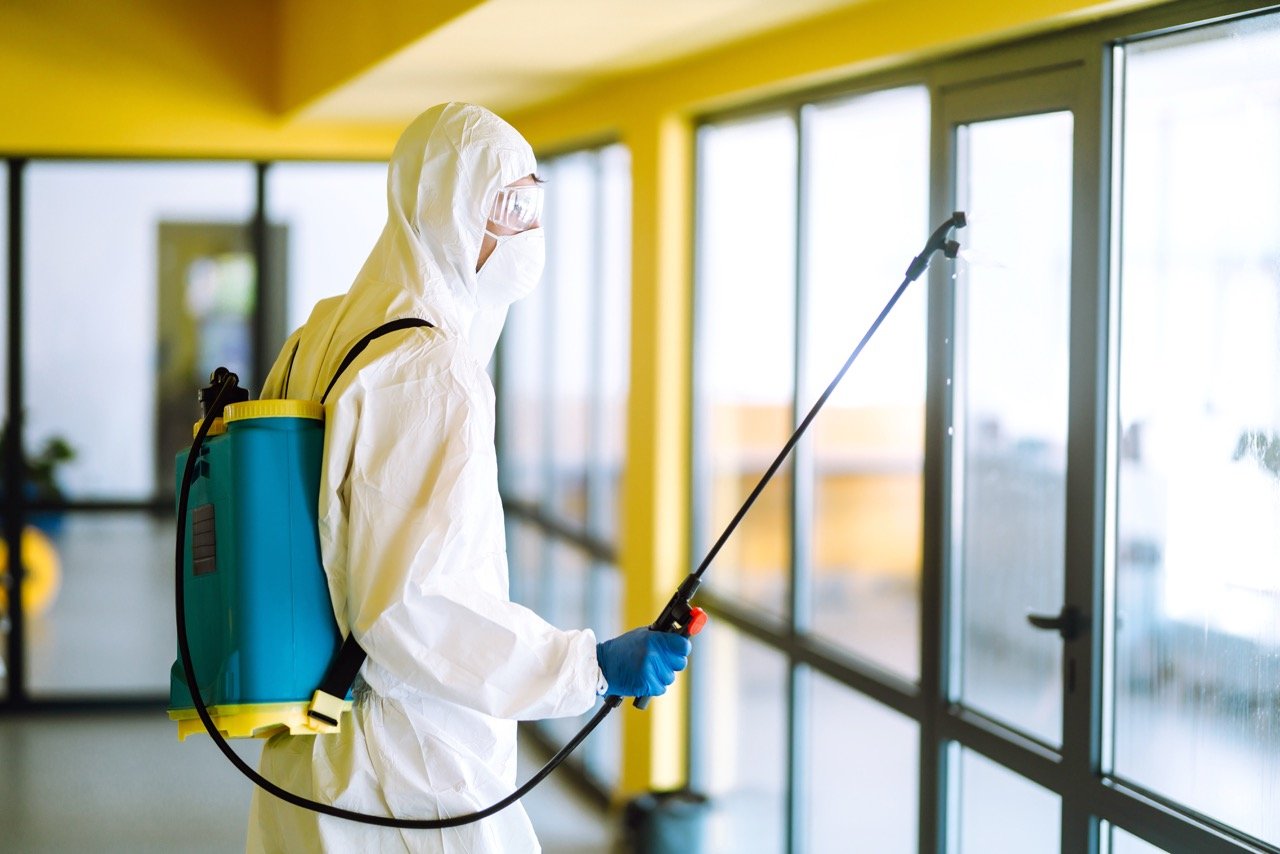
The experienced team at 911 Home Helps is here to help protect your home with professional termite inspections and effective pest control solutions tailored to Florida’s unique environment.