Seeing a single ant on the counter or a spider near a window doesn’t always mean you need professional pest control. Sometimes, an occasional pest simply finds its way indoors and disappears just as quickly.
But what happens when the ants keep returning? What if you’re hearing scratching in the attic every night, finding mysterious droppings in the garage, or seeing cockroaches despite keeping your home clean?
Knowing when to call pest control can help you avoid letting a small problem develop into a larger infestation.
For Florida homeowners, this decision can be particularly important. Warm temperatures, humidity, frequent rainfall, and abundant vegetation allow many pests to remain active throughout much of the year.
Here are some of the clearest signs that it may be time to move beyond DIY prevention and schedule a professional pest inspection.
1. The Same Pest Keeps Coming Back
One of the biggest warning signs is recurring activity.
You treat the ants in your kitchen, but they’re back several days later. You remove a cockroach, only to see another one the following night.
When pests repeatedly return, there may be an underlying problem that hasn’t been addressed.
Possible causes include:
- An active nest or colony.
- Structural entry points.
- Hidden moisture.
- Reliable food sources.
- Outdoor pest populations near the home.
Eliminating the individual pests you can see doesn’t necessarily address where they’re coming from.
If the same problem keeps returning despite your efforts, a professional inspection can help identify the source.
2. You’re Seeing More Pests Than Before
An occasional insect and an increasing pest population are very different situations.
Pay attention to patterns.
Are you seeing pests:
- More frequently?
- In multiple rooms?
- At different times of day?
- In larger numbers?
Increasing activity can indicate that pests have found favorable conditions around or inside the property.
Waiting until the problem becomes severe may allow additional time for nesting and reproduction.
3. You’re Finding Droppings
Droppings can be an important sign of hidden pest activity.
Rodent droppings may appear around:
- Pantries.
- Garages.
- Attics.
- Cabinets.
- Storage areas.
Cockroaches can also leave small droppings in areas where they’re active.
Termite frass, meanwhile, may appear as tiny pellet-like debris beneath infested wood.
If you’re repeatedly finding unexplained droppings or debris, professional identification can help determine what pest is responsible.
4. You Hear Noises in Walls or the Attic
Scratching, scurrying, gnawing, or rustling noises—particularly at night—may indicate rodent activity.
Rats and mice can establish nests in protected areas such as:
- Attics.
- Wall voids.
- Garages.
- Crawl spaces.
Because these locations aren’t regularly inspected, rodents can remain hidden for extended periods.
Repeated nighttime noises are worth investigating rather than simply waiting for them to stop.
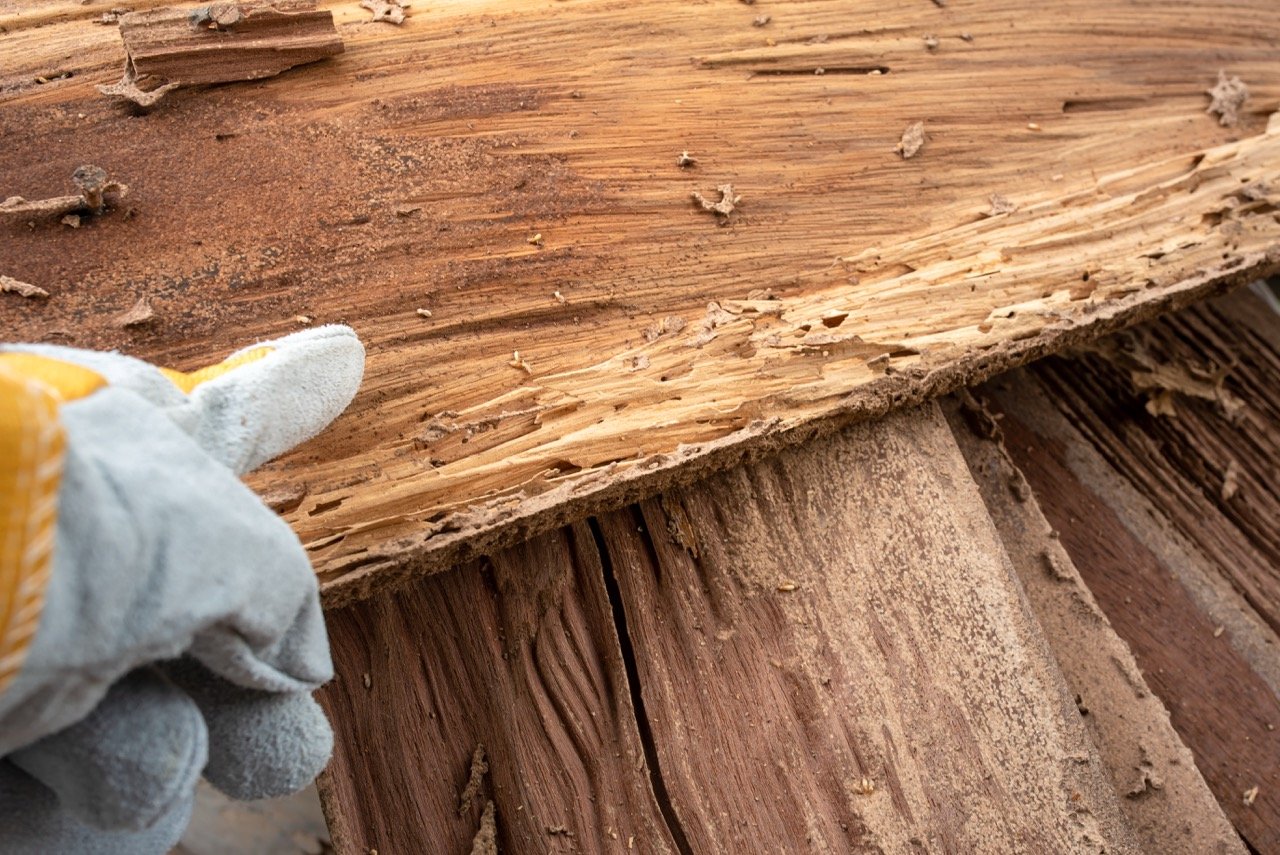
5. You See Signs of Termites
Termites deserve special attention because they can remain concealed while feeding on wooden materials.
Potential warning signs include:
- Termite droppings.
- Mud tubes.
- Discarded wings.
- Swarming insects.
- Small openings in wood.
- Visible wood damage.
If you suspect termite activity, professional inspection is preferable to waiting for additional evidence.
Different termite species require different management approaches, and identifying the type of activity is an important first step.
6. You’re Seeing Pests During the Day
Many household pests prefer to remain hidden when people are active.
For some pests, frequent daytime sightings can be a reason to investigate further.
Cockroaches, for example, commonly hide in protected spaces and become more active when the environment is quiet.
A single daytime cockroach doesn’t automatically prove a severe infestation, but repeated sightings—especially when combined with droppings, egg cases, or smaller cockroaches—can indicate established indoor activity.
7. You Find Nesting Materials
Shredded paper, insulation, fabric, or cardboard gathered in unusual areas may indicate rodents have established a nesting location.
Common areas include:
- Attics.
- Garages.
- Storage rooms.
- Wall voids.
- Spaces behind appliances.
Finding a nest means the pest is doing more than simply passing through the property.
At that point, identifying both the animals and their entry points becomes important.
8. Your DIY Treatments Aren’t Working
Many homeowners try store-bought pest control products before contacting a professional.
For occasional pest activity, this may provide temporary relief.
But if you’re repeatedly:
- Buying sprays.
- Setting traps.
- Applying baits.
- Treating the same areas.
without seeing lasting improvement, continuing the same strategy may not solve the underlying problem.
DIY products often focus on visible activity, while established infestations may involve hidden nests, colonies, or entry points.
Knowing when to call pest control can save you from repeatedly treating symptoms instead of the source.
9. You Can’t Identify the Pest
Effective pest management starts with knowing what you’re dealing with.
A winged insect might be a flying ant or a termite. Tiny ants in a Florida kitchen could be ghost ants or another species. A mysterious pile near a window might be ordinary debris—or termite frass.
Different pests require different approaches.
Applying the wrong treatment can be ineffective and, in certain situations, may complicate control efforts.
Professional identification can help ensure the strategy matches the pest.
10. Pests Are Appearing in Multiple Areas
Finding ants in one location may point to a specific food or moisture source.
Finding ants in the kitchen, bathroom, and other rooms suggests a broader pattern.
The same applies to cockroaches, rodents, and other pests.
Activity across multiple parts of a property may indicate:
- Several entry points.
- Multiple nesting areas.
- A larger infestation.
- Favorable conditions throughout the home.
A professional inspection can evaluate the property more comprehensively instead of focusing on a single room.
11. You’re Finding Property Damage
Some pests can cause noticeable damage to household materials.
Rodents may gnaw:
- Wood.
- Plastic.
- Storage containers.
- Insulation.
- Other building materials.
Termites can affect wooden components while remaining hidden inside them.
If unexplained damage appears alongside other pest evidence, don’t ignore it.
Determining the cause early can help prevent additional activity.
12. The Problem Returns After Heavy Rain
Florida’s weather can significantly influence pest behavior.
After heavy rain, homeowners may notice increased activity from:
- Ants.
- Cockroaches.
- Mosquitoes.
- Other insects.
Rain can flood or disturb outdoor habitats, pushing pests toward dry shelter.
An occasional insect after a storm isn’t necessarily unusual. However, if every period of heavy rain leads to significant indoor pest activity, your home may have entry points or surrounding conditions that should be evaluated.
13. You Suspect Bed Bugs
Bed bugs can be difficult to identify and control because they hide in very small spaces.
Potential signs include:
- Live bed bugs.
- Dark spots around mattress seams.
- Shed skins.
- Small blood stains.
- Unexplained bites combined with other evidence.
Because bites alone don’t confirm bed bugs, professional identification can help prevent homeowners from treating the wrong pest.
If bed bugs are confirmed, addressing the problem early can help limit opportunities for them to spread into additional areas.
14. Rodents Keep Returning
Catching a mouse or rat doesn’t necessarily mean the problem is over.
If rodents continue appearing, the property may still have accessible entry points.
Long-term rodent management often requires both:
- Addressing the animals currently present.
- Preventing new rodents from entering.
A professional can inspect areas such as rooflines, vents, garage doors, utility penetrations, and other structural vulnerabilities.
When Can You Handle a Pest Problem Yourself?
Not every insect sighting requires professional service.
Basic preventive steps can often help when pest activity is minor or occasional.
Homeowners can:
- Clean food spills.
- Store pantry items securely.
- Remove garbage.
- Repair small leaks.
- Eliminate standing water.
- Maintain landscaping.
- Seal obvious entry points.
- Keep storage areas organized.
If the pest disappears and doesn’t return, additional treatment may not be necessary.
The key is monitoring what happens next.
When Is a Professional Inspection Worth It?
Professional pest control becomes particularly valuable when you need information you can’t easily determine yourself.
An inspection can help answer questions such as:
- What pest is present?
- Where is it coming from?
- Is there an infestation?
- Where is it nesting?
- What conditions are attracting it?
- Are there structural entry points?
- What type of treatment is appropriate?
Rather than guessing, homeowners can make decisions based on what is actually happening around the property.
Why Early Pest Control Can Make a Difference
Many pest problems are easier to address before they become widespread.
An ant trail may eventually lead to recurring activity throughout the kitchen. A rodent entering the attic may establish a nesting area. Termites can remain concealed while continuing to affect wooden materials.
Early intervention doesn’t mean panicking over every insect.
It means recognizing patterns and responding when evidence suggests the problem is becoming established.
Should You Wait Until You See a Lot of Pests?
No.
The number of pests you physically see doesn’t always reflect the extent of the problem.
Many pests spend much of their time hidden.
Cockroaches may remain:
- Behind appliances.
- Inside cabinets.
- Within wall voids.
Rodents may stay in attics or walls.
Termites can remain inside wooden materials or underground.
Visible activity is only one piece of the puzzle.
Recurring evidence such as droppings, noises, damage, shed skins, or nesting materials may be equally important.
What Should You Tell a Pest Control Professional?
When scheduling an inspection, providing details can help the technician understand what you’ve experienced.
Try to mention:
- What you’ve seen.
- Where you’ve seen it.
- How frequently it occurs.
- When the problem started.
- Whether activity changes after rain.
- Which DIY treatments you’ve already tried.
Photos can also be useful when you’ve found an insect, droppings, damage, or other suspicious evidence.
The more information available, the easier it may be to narrow down the source of the problem.
Don’t Wait for a Small Problem to Become a Large One
Knowing when to call pest control comes down to recognizing when occasional pest activity has turned into a pattern.
Recurring insects, droppings, nighttime noises, property damage, termite evidence, nesting materials, and unsuccessful DIY treatments are all reasons to consider professional assistance.
Florida homeowners don’t need to wait until pests have taken over a property before asking for help.
An inspection can identify what’s happening, determine why pests are present, and provide a clearer path toward controlling the problem.
Contact 911 Home Helps Today
Not sure whether your pest problem is serious enough to call a professional? 911 Home Helps can inspect your property, identify the source of suspicious activity, and recommend a solution based on your home’s specific needs.