Pest Control and Termite Control

Category: Termites

  • Understanding Termite Warning Signs in Your Home

    Understanding Termite Warning Signs in Your Home

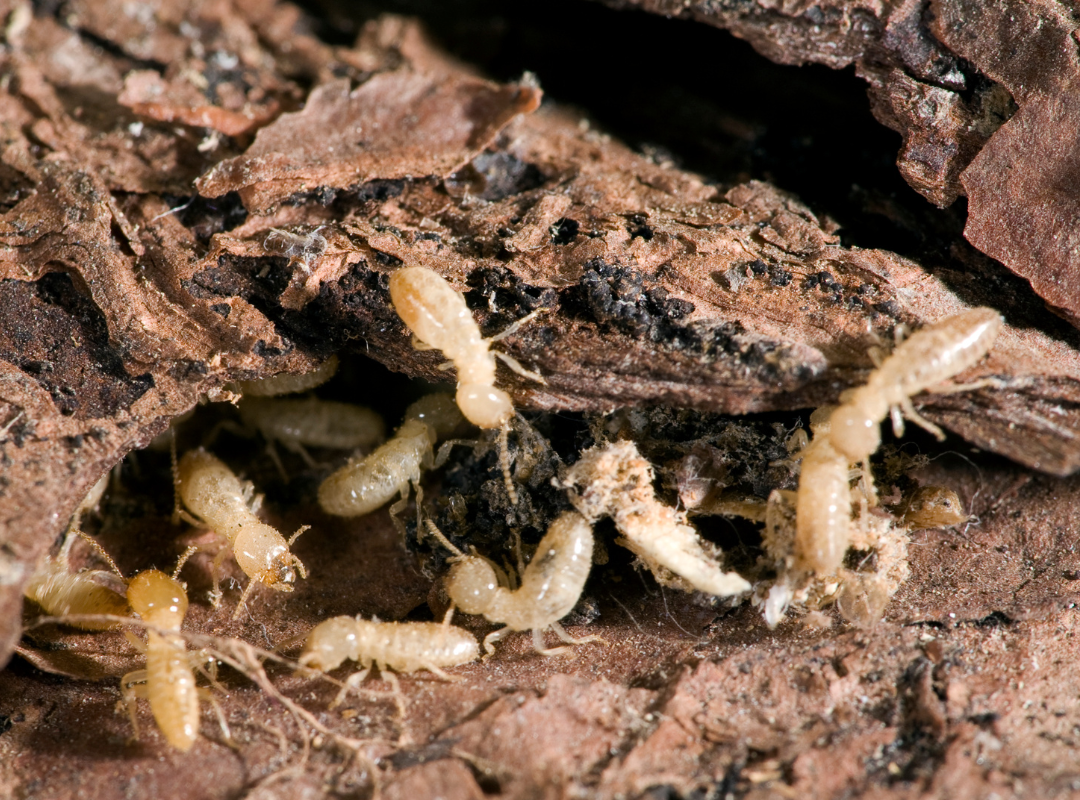
    Termites are one of the most destructive pests homeowners can face. Unlike more obvious invaders, they operate silently and out of sight, causing gradual damage that can go unnoticed for years. If left untreated, their presence can compromise the structural integrity of your home and lead to costly repairs. Knowing how to spot termite warning signs is essential for early detection and effective prevention.

    Understanding what termites do, how they behave, and the signs they leave behind can help you make informed decisions before an infestation spirals out of control. From faint tapping sounds to subtle wood damage, the early clues may seem insignificant until they aren’t. In this article, we’ll walk you through the most critical indicators of termite activity, how to inspect your property, and when it’s time to seek professional help.

    The Silent Damage Termites Cause

    Termites feed on cellulose, a component found in wood, paper, and even drywall. This makes the bones of a home, its studs, subfloors, and trim, prime targets for a termite colony. What makes these pests especially dangerous is their ability to work silently, often buried deep within walls or under floorboards.

    Subterranean termites, the most common type in many regions, build extensive colonies beneath the ground and access homes through mud tubes. Drywood termites, on the other hand, nest directly within wood and don’t need soil contact. Regardless of type, termites can cause significant internal damage before there’s any visible sign.

    The real danger lies in their persistence. Colonies can contain thousands, even millions, of workers chewing nonstop, 24 hours a day. Over time, this constant feeding can hollow out structural supports, leading to sagging floors, warped wood, and in extreme cases, unsafe living conditions.

    Most Common Termite Warning Signs

    Spotting early termite warning signs can prevent a full-blown infestation. While the damage is often hidden behind walls or under surfaces, there are several visible and audible clues that homeowners should be familiar with.

    • Mud Tubes: Thin, pencil-width tunnels of soil and debris running along foundations or walls, often used by subterranean termites.

    • Discarded Wings: Found near windows, doors, or light sources. These are signs of swarmers, winged termites looking to establish new colonies.

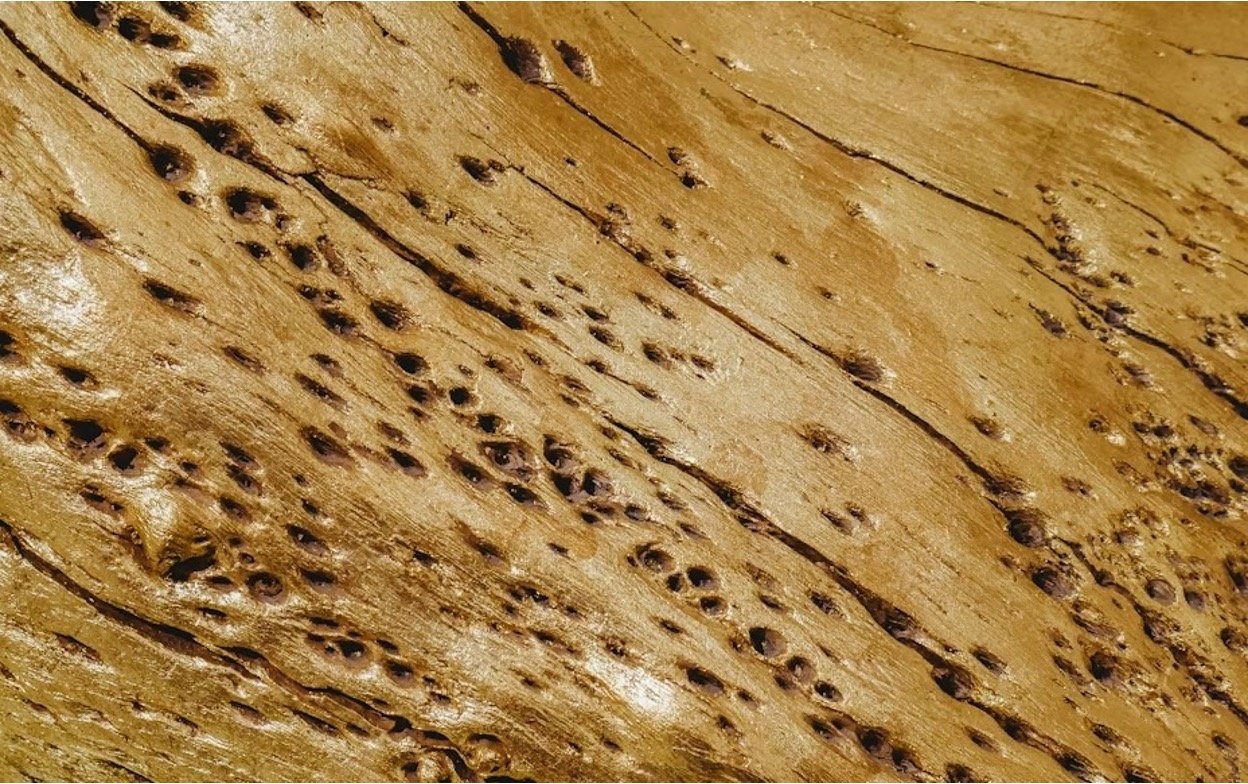
    • Wood Damage: Hollow-sounding wood, blistering, or visible tunnels carved inside beams or floorboards.

    • Frass: Tiny pellet-like droppings left behind by drywood termites. These often resemble sawdust or coffee grounds.

    • Bubbling or Peeling Paint: May indicate moisture buildup caused by termite activity underneath the surface.

    These signs don’t always appear together. Noticing even one should prompt a closer investigation and, ideally, a professional inspection to rule out or confirm active infestation.

    Less Obvious Signs to Watch

    Some termite clues are much harder to spot and can be mistaken for unrelated household problems. Yet these subtle signs may be the only indicators you get before more serious damage develops.

    Faint clicking or tapping sounds coming from within the walls may be caused by soldier termites signaling danger. Doors and windows that suddenly become difficult to open or close could be due to internal warping from wood being eaten. Sagging or uneven floors are another warning, especially if there’s no clear cause like water damage.

    Sometimes, unexplained paint bubbling or drywall discoloration occurs where no plumbing issue exists. Small holes in wood trim or baseboards may also indicate points where termites have pushed out frass or created exit holes.

    Knowing what to look for early in the season can help you avoid costly outcomes. To better understand the impact of timing and prevention, check out these tips on preparing for termite season.

    How to Perform a Termite Inspection at Home

    While professional inspections are recommended, homeowners can perform basic checks to look for early termite warning signs. Conduct these self-inspections a few times a year, especially during spring and summer when termite activity tends to increase.

    • Inspect the foundation for mud tubes or any soft or warped wood along the base of your home.

    • Examine outdoor structures like decks, sheds, and fences, particularly where wood meets the soil.

    • Check attics and crawl spaces for signs of drywood termite frass or hollow-sounding support beams.

    • Test wood surfaces inside your home by tapping gently to detect areas that feel spongy or echo.

    • Look for wing piles or damaged window frames, especially near baseboards, vents, or hidden crevices.

    Though these checks are helpful, they may not uncover hidden colonies or structural risk. In such cases, having a professional assess the situation provides a more reliable evaluation. For context on when homeowners should act, read more about dealing with termite troubles.

    When to Seek Professional Help

    Even if you only notice one or two termite warning signs, it’s often a sign of a larger issue beneath the surface. While DIY products might eliminate visible termites, they rarely reach the heart of the infestation. Incomplete treatment often leads to reinfestation or ongoing damage that progresses without notice.

    Professional termite control services offer a strategic approach. Experts know how to identify the species involved, assess the extent of damage, and choose the most effective, targeted treatment. They also help seal entry points and offer preventative solutions that limit future risk.

    Having your home inspected by a trained eye brings peace of mind and can often save thousands in repairs. Termite management isn’t just about stopping what you see, it’s about eliminating what’s hidden.

    If you’ve spotted signs of termite activity or want to ensure your home is protected, don’t wait for damage to spread. Contact 911 Pests Experts for expert inspections and proven termite treatment solutions.

  • Preparing for Termite Season: Early Signs and Treatment Options

    Preparing for Termite Season: Early Signs and Treatment Options

    The warm climate of Florida creates the perfect conditions for a persistent problem that keeps homeowners up at night – termites. These tireless menaces creep up on walls, go under floors, and literally eat homes, often causing substantial damage before anyone notices their presence. The worst part is that they feel at home in Florida. The state’s subtropical environment lacks the freezing temperatures that naturally keep termite populations in check in northern regions, allowing them to remain active from January through December, year in and year out, making proactive termite control important. 

    When Termite Season Hits Florida

    Termites are active every month in Florida, but some months, they’re worse. Subterranean termites typically begin their swarming period in early spring, around March and April, which continues all the way through the summer months. Their cousins, the particularly destructive Formosan termites, concentrate their swarming between late April and early May. These “super-termites” form massive colonies containing millions, compared to several hundred thousand, making them the worst kind of termite to have on your property.

    Drywood termites present a different challenge altogether. Unlike their subterranean relatives, these pests don’t require soil contact and can infest wood directly. What this means is that you can have an infestation of more than one type of termite in a single structure, with multiple colonies at that! They typically swarm from March through August, with peak activity occurring between May and June. Their ability to thrive in dry wood without ground contact makes them particularly troublesome for Florida homeowners.

    Recognizing the Early Warning Signs

    Catching termite activity early is important. It’s the difference between successful treatment and spending even more to treat infestations and repair the structural damage that they’ll leave you with. 

    As a property owner, you should keep an eye out for tell-tale signs. For example, subterranean termites are known to build distinctive mud tubes along foundations, walls, and other surfaces. These narrow tunnels serve as protected pathways between their colony and food sources. The wood that has been damaged by these pests will be hollow when tapped and will produce a distinctive empty sound because the inner structure has already been eaten away. 

    Aside from tapping on wood, you might notice discarded wings near windowsills, doors, or light fixtures. These are signs that a termite swarm is brewing literally underneath you (or between your walls). Termites shed their wings once they’ve found a suitable nest. So if you find them being sprinkled all over your property, your home is next on the menu. 

    Small holes in wooden structures also signal termite presence, particularly with drywood varieties. Termite damage follows wood grain patterns, with only the soft springwood attacked while harder sections remain untouched.

    Unlike wood-destroying insects, subterranean termites don’t push wood particles or droppings outside. Instead, they use this material to construct their tunnels, mixing it with soil and sand particles as plaster. This behavior makes detection more difficult without professional inspection.

    You have to be more wary of Formosan termites. They’re incredibly fast. Their huge colony size means that they can consume entire rooms within months. Their extended foraging range of up to 300 feet also means that a single colony threatens multiple nearby structures, so you and your neighbors aren’t safe. 

    Protecting Your Property Before Problems Start

    The smart way to prepare for a termite infestation is to be proactive. Don’t wait for signs of termite damage. Instead, pay for professionals to inspect your property regularly. If you can’t, at least do some inspecting yousrelf. Get a screwdriver and tap the wooden sections of your home. If they sound hollow, you’re at risk. In the worst cases, severely compromised areas may break during your own testing. For your safety, we recommend leaving this part to the professionals. 

    Fixing moisture problems around foundations, eliminating standing water, and maintaining proper drainage are modifications that you can make to your property to make it a less desirable place for termites. You’ll want to keep wooden materials away from direct soil contact to act as a physical barrier against termite entry. 

    Having Thermal Acoustical Pest Control insulation may help. It’s an innovative approach exclusive to certain pest control companies. It combines insulation with pest deterrent properties, helping maintain comfortable indoor temperatures while simultaneously providing an additional defense layer against various pests, including termites.

    Making Informed Decisions

    If you live in Palmetto Bay, it only makes sense to hire a pest control company who lives in the same area. They’re the ones who understand regional termite behavior patterns and building construction methods. They have personal experience dealing with termites within the region and know what kind of damage they do to homes similar to yours. This results in a more effective protection plan compared to a generic approach that you might get from other companies. 

    Educating yourself and working closely with a pest control company is your best bet against termites. Think of this as an investment in your property. The better protected it is against termites, the less you’ll have to worry about paying for termite-related repairs and a potentially lower home value.

  • Dealing with Termite Troubles

    Dealing with Termite Troubles

    Dealing with Termite Troubles, often referred to as “silent destroyers,” can wreak havoc on homes and structures, causing extensive damage before their presence is even noticed. In this comprehensive guide, we will explore the world of termites, their destructive capabilities, and most importantly, how to prevent, detect, and eliminate these troublesome pests to safeguard your property.

    The Threat of Termites:

    Termites are small, social insects that feed on cellulose-containing materials, such as wood and paper. They play a crucial role in breaking down dead trees and plant matter in nature, but when they invade human-made structures, their presence becomes a significant problem. Termites are responsible for billions of dollars in property damage globally each year, making them a top concern for homeowners and property managers.

    Prevention is Key with Termite Troubles:

    • Regular Inspections: Conduct routine inspections of your property to identify any signs of termite activity. Look for mud tubes, tiny holes in wood, discarded wings, and sagging or hollow-sounding wood.
    • Moisture Control: Termites thrive in moist environments. Ensure proper drainage around your home, fix leaks promptly, and maintain proper ventilation in crawl spaces.
    • Wood-to-Ground Contact: Avoid direct wood-to-soil contact for any wooden elements of your home. Use concrete or metal supports to keep wood elevated and reduce termite access.
    • Termite-Resistant Materials: When building or renovating, consider using termite-resistant materials such as treated wood or materials like concrete, steel, or plastic.
    • Landscaping Considerations: Keep shrubs, trees, and mulch away from the foundation of your home. Mulch can provide termites with a convenient bridge into your property.

    Detecting Termites:

    • Swarmers: During termite swarming season (usually spring), winged termites, known as swarmers, emerge to establish new colonies. If you see these around your property, it’s a clear sign of termite activity.
    • Mud Tubes: Termites build mud tubes to travel between their nests and food sources. These pencil-thin tubes can be found on walls, foundation, and other surfaces.
    • Hollow Wood: Tap or knock on wooden structures to check for hollow sounds, indicating termite damage.
    • Discarded Wings: After swarming, termites shed their wings. Finding discarded wings near windowsills or light sources is a sign of their presence.

    Elimination Strategies:

    • Professional Pest Control: For severe infestations, it’s best to hire a licensed pest control professional. They can assess the extent of the infestation and apply appropriate treatments.
    • Liquid Termiticides: These are applied to the soil around the structure, creating a barrier that termites cannot pass through. They are effective for both prevention and treatment.
    • Bait Systems: These consist of monitoring stations with bait that termites consume and share with the colony, ultimately leading to its elimination.
    • Fumigation: This is a last resort for extensive infestations. Fumigation involves tenting the entire structure and releasing a gas to eradicate termites.
    • Localized Treatments: If the infestation is limited to a specific area, localized treatments like foams and dusts can be applied directly to the termite galleries.

    Dealing with Termite troubles can quickly escalate from minor inconvenience to major disaster if left unaddressed. By focusing on prevention, vigilant detection, and swift elimination strategies, you can protect your home and property investment from the costly and destructive effects of termite infestations. If you suspect termite activity, don’t hesitate to consult with professionals to ensure effective control and peace of mind.

  • How to know if your house has a termite problem?

    How to know if your house has a termite problem?

    Termites are one of the most destructive pests that can infest your home. These tiny insects can cause serious damage to your property, including wooden structures, furniture, and even books. If left unchecked, a termite infestation can lead to costly repairs and even pose a threat to the structural integrity of your home.

    But how do you know if you have a termite problem? The signs of a termite infestation are often subtle and can easily be overlooked. Some of the most common signs include:

    Mud tubes: Termites use mud tubes to travel from their colony to their food source. These tubes may be found on the exterior of your home, in your basement, or in your crawl space.

    Discarded wings: Swarmers, or winged termites, often shed their wings after mating. If you find piles of discarded wings in your home, it could be a sign of a termite infestation.

    Hollow-sounding wood: Termites eat wood from the inside out, leaving a thin layer of wood on the surface. If you tap on a piece of wood and it sounds hollow, it could be a sign of a termite infestation.

    If you suspect that you have a termite problem, it’s important to act quickly. A professional pest control company can inspect your home and determine the extent of the infestation. They can then create a customized treatment plan to eliminate the termites and prevent future infestations.

    Prevention is also key when it comes to termites. Here are some steps you can take to reduce the risk of a termite infestation:

    1. Remove any wood debris from around your home, including firewood, lumber, and tree stumps.

    2. Keep your gutters clean and direct water away from your home’s foundation.

    3. Seal any cracks or gaps in your home’s foundation and exterior walls.

    4. Trim any bushes or trees that are touching your home.

    Termites may be small, but they can cause big problems for homeowners. By knowing the signs of a termite infestation and taking steps to prevent them, you can protect your home from these destructive pests.

  • How to stop termite infestation inside your home?

    How to stop termite infestation inside your home?

    Topic 1: Understanding Termites

    Termites are small insects that eat cellulose found in wood and other materials like drywall and paper. They can cause significant damage to homes and other buildings if left unchecked. Knowing the signs of termite infestation can help you take quick action to prevent further damage. Some common signs include discarded termite wings, mud tubes along the foundation of the home, and hollow-sounding wood.

    Topic 2: Preventative Measures

    Preventing a termite infestation starts with eliminating the factors that attract them. Keeping the area around your home free from debris and vegetation can go a long way in preventing termite infestation. Regular maintenance of gutters and downspouts can also help to prevent moisture buildup that can attract termites. It’s also important to seal any gaps around pipes and vents that can serve as access points for termites.

    Topic 3: Home Inspections

    Regular home inspections are an important step in identifying and preventing termite infestation. You can hire a professional to inspect your home annually or do it yourself by checking for signs of damage to wood and other materials. If you suspect a termite infestation, it’s important to call a professional to confirm the infestation and develop a plan for dealing with it.

    Topic 4: Treatment Options

    There are several treatment options available for termite infestation, depending on the severity of the problem. For minor infestations, bait stations or liquid termiticide may be effective. For more severe infestations, professional fumigation or termite tenting may be necessary. It’s important to choose a treatment option that is safe for your family, pets, and the environment.

    Topic 5: Post-Treatment Maintenance

    After your termite infestation has been eradicated, it’s important to take steps to prevent re-infestation. This includes regular home inspections, keeping wood and other cellulose-based materials away from the foundation of your home, and eliminating any moisture buildup around your home. It’s also important to continue monitoring your home for signs of termite activity so that you can catch any future infestations early.

    How to stop termite

    In conclusion, preventing and treating termite infestations requires a multi-faceted approach that includes understanding the signs of infestation, preventative measures, regular home inspections, treatment options, and post-treatment maintenance. By taking these steps, you can protect your home from the damage caused by these tiny but destructive pests.