Key Takeaways
● Creating physical barriers between soil and wood, eliminating moisture sources, and applying borate treatments are among the most effective DIY termite prevention methods.
● Regular professional inspections can identify termite activity before significant damage occurs, potentially saving thousands in repair costs.
● Different termite species (Subterranean, Drywood, and Dampwood) require specific prevention strategies based on their habits and preferences.
● 911 Home Helps offers comprehensive termite control in Miami-Dade County, including free inspections, targeted multi-method treatments, and add-on services like sanitation and insulation for lasting protection.
How to Prevent Termite Infestation
Protecting your home from termites requires a multi-faceted approach that addresses their basic needs: food, moisture, and access. By eliminating these factors, you create conditions that make your property far less attractive to Subterranean, Drywood, and Dampwood termites.
Effective prevention combines moisture control, physical soil-to-wood barriers, borate wood treatments, proper ventilation, decluttering, and termite bait systems. Regular professional inspections add another critical layer of protection by detecting hidden activity early.
In this article, you will discover 10 proven termite prevention methods, including practical DIY steps and professional solutions that help stop infestations before costly structural damage occurs.
911 Home Helps: Miami’s Most Trusted Pest Control Experts!
Family-Owned Excellence | 4.9★ Google Rating

Protect Your Home & Family: Comprehensive pest elimination for homes and businesses in Miami-Dade and Broward Counties. From termites to mosquitoes, we deliver fast, effective solutions with honest pricing and clear communication every step of the way.
Why Choose Us:
- ✓ Free inspection and consultation, no obligations
- ✓ Tent & tentless termite treatments (Drywood, Subterranean & Formosan)
- ✓ Comprehensive rodent, roach, and mosquito control
- ✓ TAP Insulation for year-round energy savings
- ✓ Family-owned with trained, certified technicians
Your home deserves protection you can trust. We’re local, fast, and always transparent.
10 Smart Methods to Prevent Termite Infestation
1. Remove Moisture Sources
Termites, especially Subterranean and Dampwood varieties, thrive in moist environments. By eliminating excess moisture inside and around your home, you significantly reduce the appeal of your property to these destructive pests.
Start by ensuring proper drainage around your foundation; gutters should direct water at least 4–6 feet away from your home, and the soil should slope away from the foundation to prevent water accumulation.
Inside your home, address any plumbing leaks promptly, even seemingly minor ones. A dripping pipe can create the perfect environment for termites to establish colonies. Pay special attention to areas prone to moisture, such as bathrooms, kitchens, and laundry rooms.
Consider installing dehumidifiers in basements, crawl spaces, and other areas prone to moisture.
2. Create Physical Barriers Between Soil & Wood

Subterranean termites, the most common type in the United States, typically travel through soil to reach wood. By creating a physical barrier, you force termites to build visible mud tubes to bridge the gap, making their presence more detectable.
For a robust termite prevention system, maintain a minimum of 6 inches of clearance between soil and any wooden elements of your home. This includes siding, door frames, window frames, and deck posts.
If necessary, consider replacing wooden supports with concrete or steel alternatives. For existing structures, installing metal shields or barriers can create an effective termite barrier.
Professional-grade termite barriers include physical mesh screens made of stainless steel or marine-grade materials, which can be installed during construction or retrofitted.
3. Apply Borate Treatments to Wood
Borate treatments are among the most effective and environmentally friendly options for protecting wood from termites.
These products, typically containing sodium borate (borax), penetrate wood fibers and remain active for many years, creating a long-lasting barrier that termites avoid. When termites consume borate-treated wood, the compound disrupts their digestive system, ultimately killing them.
For new construction, specify pressure-treated lumber that includes borate protection. For existing structures, you can apply liquid borate products to exposed wood in crawl spaces, attics, and other accessible areas.
These treatments are particularly effective for preventing drywood termite infestations, which don’t require soil contact to establish colonies.
4. Fix Leaks & Repair Damaged Wood Promptly
Water-damaged wood sends a powerful invitation to termites. The softened, partially decomposed material is significantly easier for termites to consume and often contains fungal growth that some termite species actually prefer.
Identify and address leaks immediately, whether they’re from plumbing, roofing, or foundation issues. Conduct regular inspections of your home’s exterior and interior for signs of water damage, such as discoloration, warping, or softening of wood.
Pay special attention to areas around windows, doors, bathrooms, and kitchens where water exposure is more common. Replace severely damaged wood rather than attempting repairs, as compromised wood remains attractive to termites even after the moisture source is eliminated.
5. Declutter & Remove Cellulose Materials
Termites don’t discriminate between structural wood and other cellulose-based materials. Piles of cardboard, paper, old books, and even fabric can serve as food sources and nesting sites. Remove unnecessary cellulose materials from crawl spaces, attics, basements, and the areas immediately surrounding your home’s foundation.
Store firewood at least 20 feet away from your home and elevated off the ground. When bringing firewood inside, only bring what you plan to burn immediately, as stored firewood can attract termites.
Similarly, avoid storing cardboard boxes directly on concrete floors, especially in basements or garages, as these areas often have higher humidity levels that attract termites.
6. Maintain Proper Ventilation
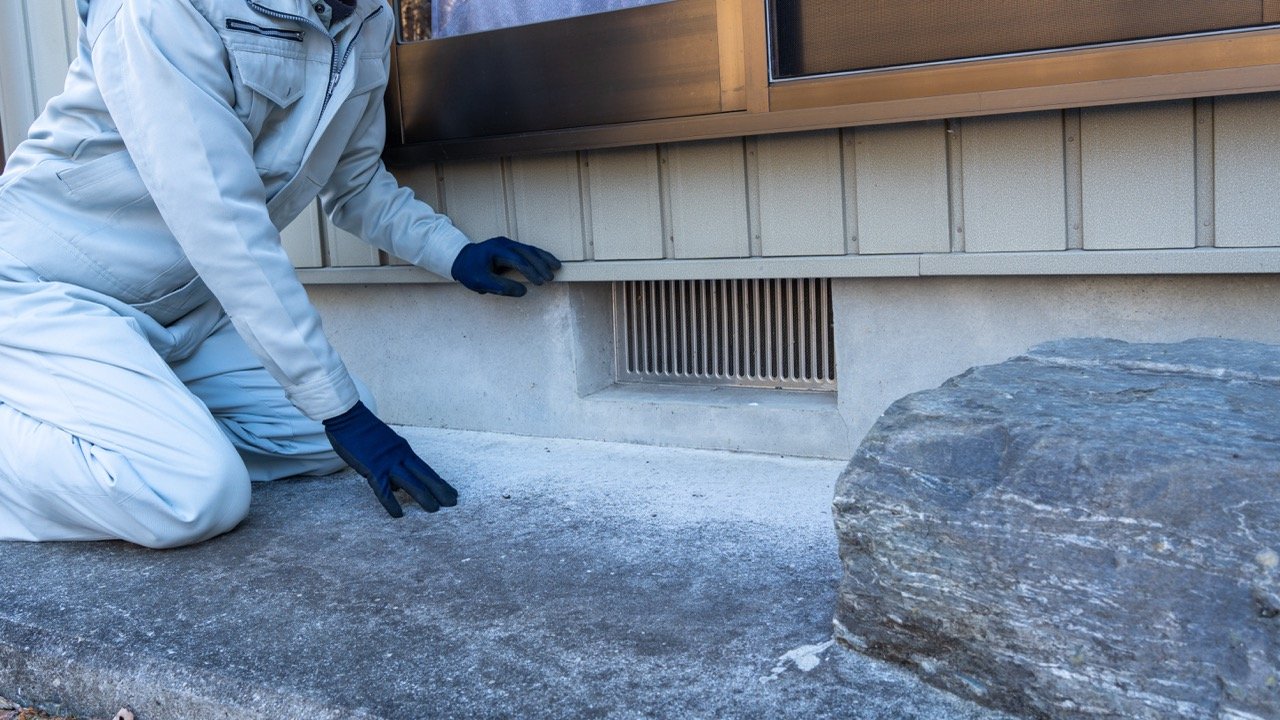
Adequate airflow prevents moisture accumulation that creates hospitable conditions for termites. Ensure all vents in your foundation, attic, and crawl spaces remain unobstructed and functioning properly. Periodically check that landscaping, debris, or stored items haven’t blocked exterior vent openings, as even partial obstruction can trap enough humidity to attract termites.
In crawl spaces, experts recommend one square foot of vent area for every 150 square feet of crawl space to maintain proper air circulation and prevent humidity buildup. Installing a vapor barrier, such as a polyethylene sheet over exposed soil, further reduces ground moisture that rises into the crawl space.
For areas where passive ventilation alone is insufficient, consider mechanical solutions like exhaust fans or powered vent systems.
Signs of poor ventilation include persistent musty odors, visible condensation on surfaces, or mold growth on framing lumber. Addressing these issues promptly not only deters termites but also preserves your home’s structural integrity.
7. Schedule Regular Professional Inspections

Trained technicians from companies like 911 Home Helps can identify early signs of termite activity that homeowners typically miss, including subtle evidence in hard-to-reach areas.
These experts assess your property using specialized tools and techniques, providing comprehensive protection through early detection. Annual inspections are recommended for most homes, though properties in high-risk areas or those with previous infestations may benefit from semi-annual checks.
Professional inspectors evaluate your entire property, paying special attention to basements, crawl spaces, attics, and areas where wood comes into contact with soil. They also assess the effectiveness of existing prevention measures and can recommend improvements tailored to your specific situation.
8. Use Termite-Resistant Building Materials
When renovating or building new structures, consider incorporating termite-resistant materials to create a home that’s naturally protected. Steel framing, concrete, and composite materials such as fiber-cement siding offer excellent alternatives to traditional wood in termite-prone areas.
Newer termite-resistant technologies include wood-plastic composites that combine wood fibers with plastic polymers to create materials that resist both moisture and termites. These products are increasingly available for decking, fencing, and some structural applications.
For foundations, concrete with termiticide admixtures provides an additional layer of protection at the point where buildings meet the soil.
9. Install Termite Bait Systems
Termite bait systems are among the most effective preventive measures available to homeowners. These systems consist of stations installed around your property’s perimeter that contain cellulose material and are monitored for termite activity.
When termites begin feeding on the bait, slow-acting insecticides are introduced that termites carry back to the colony, eventually eliminating the entire population.
Professional installation ensures proper placement and regular monitoring of bait stations. Typically positioned every 10–20 feet around your home, these systems create a protective perimeter that intercepts termites before they reach your structure.
10. Harness Sunlight as a Natural Termite Killer

Termites are highly sensitive to light and heat, which is why they build colonies in dark, sheltered spaces.
You can use this vulnerability as a prevention strategy by keeping the areas around your home’s foundation well-lit and free of heavy shade. Trim overhanging branches, thin dense shrubs near exterior walls, and avoid stacking materials that cast persistent shadows along the perimeter of your home.
For portable wooden items such as outdoor furniture, garden structures, or decorative pieces, periodic exposure to direct sunlight on a hot day helps deter termite activity before it starts. The combination of heat and UV radiation creates conditions that are inhospitable to termites, particularly drywood species that target standalone wooden objects.
While sunlight alone won’t replace other prevention methods, it is a simple, cost-free way to make your property less inviting to termites as part of a broader prevention plan.
Prevent Termite Damage Before It Starts with 911 Home Helps
While DIY measures such as removing moisture sources, eliminating wood-to-soil contact, and decluttering cellulose materials can reduce your risk, termites are adept at hiding until the damage is severe. That’s why professional intervention is critical, and having a trusted local team on your side makes all the difference.
At 911 Home Helps, we bring over a decade of termite control expertise to properties across Miami-Dade County. Our proven 3-step process begins with a free inspection to detect existing colonies and identify vulnerabilities, followed by targeted treatments tailored to the specific termite species on your property.
We also offer add-on services, including sanitation and pest control, as well as insulation for long-term, integrated protection. Don’t wait until the damage is done. Visit 911 Home Helps today to schedule your free termite inspection.
Schedule Your Free Inspection Today→
Frequently Asked Questions (FAQs)
What are the early signs of a termite infestation?
Common early signs include mud tubes along your foundation or walls, hollow-sounding wood when tapped, small piles of discarded wings near windows or doors, blistering or darkening of wood surfaces, and frass (termite droppings) that resemble small pellets or sawdust.
Because termites work inside walls and beneath surfaces, these signs often don’t appear until the colony is well established, which is why regular professional inspections are so important.
Can I prevent termites on my own, or do I need a professional?
Many preventive steps are well within a homeowner’s ability, such as controlling moisture, maintaining clearance between soil and wood, removing debris, and applying surface borate treatments.
However, for thorough detection and treatment of hidden colonies, professional services are essential. Trained technicians use specialized tools to access areas homeowners can’t reach and apply commercial-grade treatments, such as liquid termiticide barriers and bait systems, for comprehensive protection.
Does homeowners’ insurance cover termite damage?
In most cases, no. Standard homeowners’ insurance policies classify termite damage as a preventable maintenance issue rather than a sudden or accidental event, and therefore explicitly exclude it from coverage.
Some specialized policies or add-on riders are available, but they come with high premiums and strict requirements. The most cost-effective protection remains consistent prevention through regular inspections and maintenance.
How can 911 Home Helps protect my property from termites?
911 Home Helps provides expert termite control across Miami-Dade County through a proven 3-step process. We begin with a free inspection to assess your property for existing activity and structural vulnerabilities.
From there, we deploy targeted treatments tailored to the termite species and colony size to eliminate infestations effectively. We also offer add-on sanitation and insulation services for integrated, long-term pest management. Call us at (786) 269-6959 to schedule your free inspection.
*Disclaimer: Results may vary depending on the severity of the infestation and the property’s condition. Pricing varies by service type and property size. Contact 911 Home Helps for a free inspection and personalized quote.