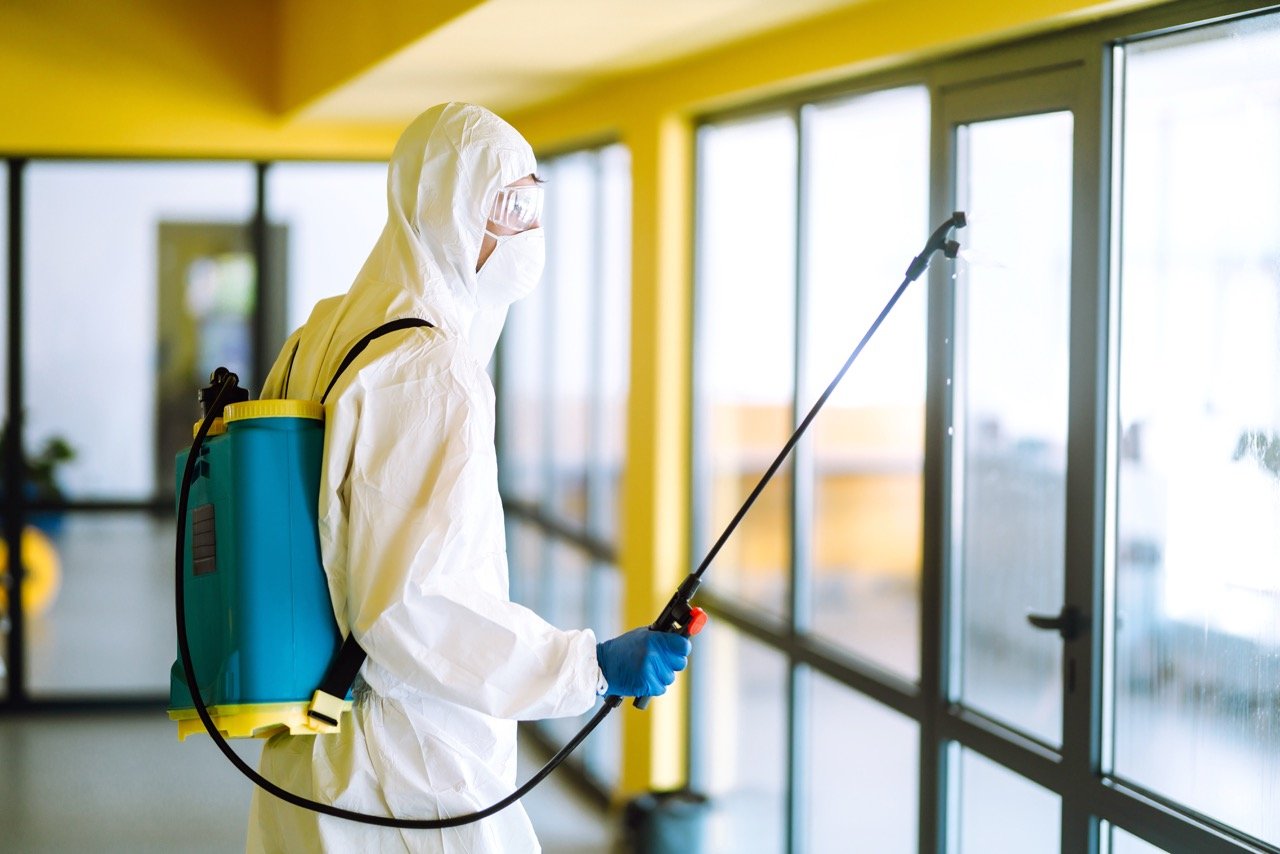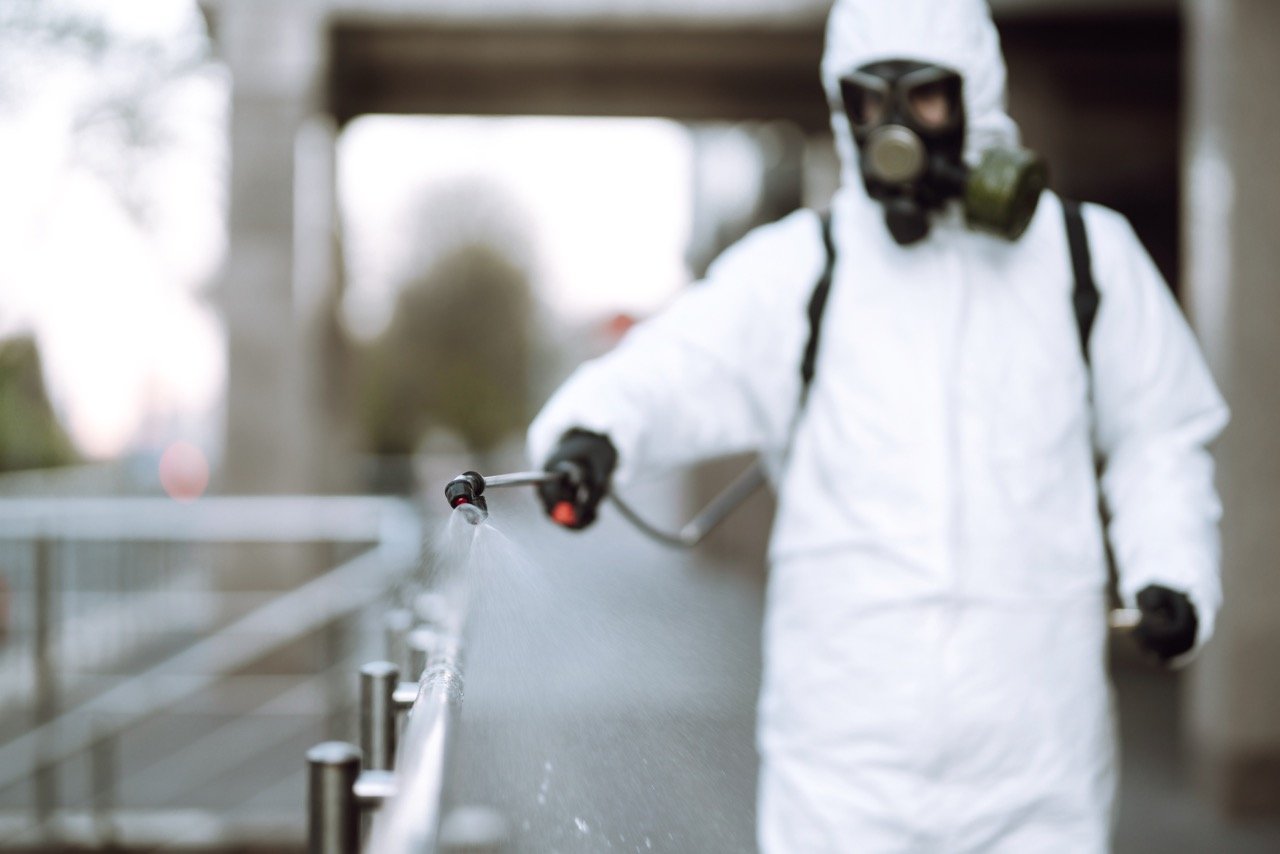
A commercial property is more than just a place of business; it’s a representation of your brand, reputation, and operational standards. Whether you manage an office building, restaurant, warehouse, or retail space, the risks posed by pest infestations are significant. Regular pest inspection is a preventative measure that helps businesses avoid disruptions, safeguard structural integrity, and comply with health and safety regulations.
For commercial spaces that experience heavy foot traffic and constant environmental exposure, proactive pest management is not just ideal but also very essential.

Why Commercial Properties Face Higher Pest Risks
Unlike residential homes, commercial properties are exposed to a broader set of risks due to their size, layout, and purpose. They often contain large storage areas, food-handling zones, and complex ventilation systems that make ideal hiding and breeding grounds for pests.
The stakes are also higher. A pest problem in a commercial space can result in:
- Health code violations or temporary shutdowns
- Damage to stock, supplies, or infrastructure
- Compromised safety for employees and customers
- Long-term reputational harm through negative reviews or word of mouth
Certain industries, such as food service and hospitality, are particularly vulnerable. These sectors often require strict compliance with sanitation protocols, and a single overlooked issue can trigger cascading consequences.
Even minor sanitation oversights like crumbs under a break room table or improperly stored waste can invite pests. Considering simple lifestyle changes that support cleaner shared spaces is a smart step for commercial teams to help reduce pest attraction.
Key Benefits of Regular Pest Inspection
Routine pest inspections do more than just identify unwanted intruders. They create a record of accountability and enable property managers to make data-driven decisions about building maintenance and safety.
Here are the most important advantages:
- Early detection of infestations: Inspections help catch problems before they spread
- Preventative maintenance: Cracks, leaks, and gaps are identified as entry points and addressed
- Improved sanitation: Identifying areas that attract pests can improve cleaning protocols
- Regulatory compliance: Inspections help businesses stay aligned with local health and safety codes
- Peace of mind: Knowing your property is consistently monitored reduces anxiety about surprises
A regular pest inspection schedule is not just about keeping bugs out but also about creating an environment where operations can run smoothly without interruption.
What Inspectors Look for in Commercial Spaces
Professional pest inspectors are trained to assess not just the presence of pests, but also the environmental conditions that allow them to thrive. They follow a structured process that covers all possible risk zones, even those hidden from everyday view.
A thorough commercial inspection may include:
- Checking break rooms, food storage, and waste areas for insect or rodent activity
- Examining plumbing lines and HVAC systems for signs of pest movement
- Inspecting storage units, ceilings, and utility corridors for nests or droppings
- Identifying moisture-prone zones where termites or cockroaches may breed
- Scanning exterior perimeters for gaps, unsealed vents, or overgrown vegetation
These evaluations are not one-size-fits-all. Every commercial building has unique risk factors depending on its design, purpose, and location. Inspectors adapt their approach accordingly to provide the most accurate insights.
Prevention Requires Consistency and Professional Oversight
While many business owners rely on reactive treatments when pests appear, this method falls short in preventing long-term damage. Inspections are the backbone of effective pest management, but only when they are consistent and conducted by licensed professionals who understand the local pest ecosystem.
Combining inspections with smart building habits is the ideal approach. Things like routine sanitation, structural maintenance, and monitoring high-risk areas can support a pest-free environment between inspections.
Additionally, businesses housed in older or wooden structures should remain vigilant for signs of wood-destroying insects. If left unchecked, they can cause silent and costly damage. It’s helpful to become familiar with termite warning signs so you know when it’s time to seek a deeper inspection.
When to Schedule Regular Pest Inspections
The frequency of inspections depends on the nature of the business and environmental conditions. At a minimum, quarterly inspections are recommended for most commercial spaces. However, businesses in high-risk sectors like food service or warehousing may benefit from monthly visits, especially during peak pest seasons.
Here’s a general guide:
- Quarterly: For low-risk environments with minimal food storage or customer interaction
- Bi-monthly: For general commercial properties located near vegetation or water
- Monthly: For high-traffic spaces or industries with strict health regulations
Timing also matters. It’s best to schedule inspections ahead of warm, humid months when pests are most active. By getting ahead of potential problems, business owners can protect their investment and avoid costly, last-minute interventions.
Let’s Get Ahead of the Problem
If you’re managing a commercial property, staying on top of pest risks shouldn’t be left to chance or last-minute fixes. Taking the time to schedule regular pest inspection visits isn’t just about keeping bugs at bay but also a proactive way to protect your business, reduce long-term maintenance costs, and maintain a healthier space for everyone inside.
If you’re unsure where to begin or want a second opinion on your current pest management plan, 911 Pests Experts is ready to assist. Our team understands the complexities of commercial environments and offers practical, expert solutions to keep your property protected year-round.