Pest Control and Termite Control

Category: Pest Control

  • Why Safe Pest Control Matters for Families With Pets and Kids

    Why Safe Pest Control Matters for Families With Pets and Kids

    Preventing pest infestation is important, particularly for homes with children and pets staying in the house. Safe pest control is important as it helps protect the lives of people in your home. This means that traditional practices can be equally risky to the clients, which makes it very important to use practices that are safe for the clients but effective in their execution. So, by implementing safe pest control, families are confined to a safe place, and thereby, they minimize stress to have a peaceful life. 

    Safe pest control proves that pest control companies do not have to be a threat to the lives of your family to help prevent pests from invading your home.

    This article will also discuss the reasons why it is crucial to use safe pest control methods so that your children and pets do not get harmed or affected in any way by the chemicals.

    Health Implications for Children and Pets

    Children and pets are more vulnerable to risks associated with pest control products because of their ground-level contact and contact with the surface on which the products might be applied. Infants, who always have the habit of putting things in their mouths, are especially vulnerable to exposure. Similarly, pets, including those who go outdoors or have access to areas that have been treated with such treatments, eat substances that contain harmful substances or absorb them through their skin. 

    Respiratory Concerns

    The main health risks resulting from traditional pest control treatments are respiratory problems or illnesses. Infants and pets have minute airways, which explains why they are more prone to respiratory complications. Fumes and any particles from the pest control treatments used can trigger children with asthma and pets with existing respiratory problems.

    A way around this is to use organic pest control products that contain little of the harmful substances that can affect the quality of the people and pets living inside a home. 

    Skin and Eye Irritation

    Treatments used often as part of traditional pest control methods are likely to cause skin and eye irritation and are quite unpleasant to children and pets. Children may touch the treated surfaces with their hands or transfer droppings with traces of the residue to their skin, while animals may scratch or lick their bodies after coming into contact with the irritants.

    Long-Term Health Effects

    Children are vulnerable to dangers having fragile physical and immune systems. Long-term exposure can lead to dire consequences. But people aren’t the only ones who can contract dangerous illnesses when exposed to pest control. Animals, for example, are directly affected by frequent exposure to hazardous substances. 

    Families can reduce their risks of developing health problems due to pest control exposure by adopting pest control practices, which involve working closely with professionals who are friendly to the environment and provide long-term health benefits.

    Tips for Implementing Safe Pest Control

    Here are some tips that will help you provide effective and safe pest control of your home:

    Consult with Professionals

    Many people may seek the services of an expert to advise them on the best ways in which they can control pests without necessarily causing harm to their health. You need to hire professionals who understand the best way to handle pests, preferably with experience handling local pest infestations, as they’re more likely to have the right kind of equipment to control them. 

    Preventive Measures

    It is worth mentioning that the primary principle in pest control is prevention. Give attention to doing things that make the home environment unfavorable for these pests. Proper management of water and disposal also play an important role in getting rid of the breeding grounds of the pests in your house.

    Regular Inspections

    It is very important to always look for some signs that may show there is an infestation of pests in your home. It is easier to solve problems when they are small. Keep a close eye on kitchens, bathrooms, and basements. 

    Educate Your Family

    Educating your family about safe pest control practices lets them play an active role in eliminating pests from your home.

    Monitoring and Maintenance

    Once pests have been controlled, you should inspect and maintain your environment to avoid the recurrence of pest infestations. It is imperative to continue cleaning the house, checking entry points, and adjusting measures against pests. Staying on top of things guarantees that pests have nowhere to go but outside your home. 

    Conclusion

    Organic pest control is very important for families with children and pets because it protects the health of the most vulnerable members of your family. Techniques that are safe for the environment can prevent possible adverse effects from pest control exposure. 

    For best results, you need to develop preventive measures by consulting a pest control company and doing frequent checks on your property. By following these practices, you are making your home a comfortable place to live in, reducing stress, and making sure that you and your pets stay safe.

    Remember, protecting your home from pets should never come at the expense of the people and family members who live there.

  • How to Safeguard Your Home from Pests Before Spring Begins

    How to Safeguard Your Home from Pests Before Spring Begins

    As temperatures rise, pests like ants, rodents, and termites emerge from their winter slumbers, searching for food, water, and shelter. Protecting your home now can prevent infestations later.

    Let’s explore practical steps that you, as a homeowner, can take, blending efforts that you can apply with insights straight from pest control professionals

    How to Prevent Your Home From Being a Pest Magnent

    After staying dormant during the winter, insects and rodents, as well as other types of pests, become more active as temperatures warm up. Driven by instincts to reproduce and nest, they take advantage of the ideal conditions created by the freshly melted snow and spring rains.

    Cracks in foundations, gaps around windows, and clogged gutters offer easy access. Without intervention, these tiny invaders can compromise structural integrity, contaminate food, and even pose health risks.

    1. Start Outsdie

    Pests don’t magically appear indoors. They have to come from somewhere else, particularly, outside your home. 

    Begin by inspecting the perimeter. Take a good and long walk around your property, taking note of cracks in the walls, loose siding, or spaces where the utility lines enter. Even gaps as thin as a dime can allow mice or insects to pass through. This is where using weather-resistant caulking or steel wool to seal openings helps. Don’t forget to pay attention vents and chimneys, installing mesh screens to block entry.

    Overhanging tree branches and dense shrubs act as bridges for pests. Trim foliage at least two feet away from the house. Clear leaf piles, fallen branches, and mulch near foundations, as these provide hiding spots. Consider replacing wood-based mulch with gravel or rubber alternatives, which deter termites and ants.

    2. Eliminate Moisture

    Food, water, and shelter are three reasons pests go inside your home. If there’s no food, they’ll make do with water. Damp environments, in particular, attract most pests, especially cockroaches, silverfish, and mosquitoes. 

    Check under sinks and around appliances for condensation or pooling water. Dehumidifiers in basements or crawl spaces reduce humidity, making these areas less inviting.

    3. Proper Storage

    Pests are always on the lookout for the next easy meal. Store pantry items like cereal, flour, and pet food in airtight containers. Avoid leaving fruit bowls or crumbs on countertops overnight. Secure trash bins with tight-fitting lids outside and position them away from doors. Compost piles should be enclosed and situated far from the home. 

    One of the best home pest exclusion methods is to declutter your home. Clutter offers hiding spots. Organize garages, attics, and basements, eliminating cardboard boxes that rodents chew through. Use plastic bins for storage instead. Regularly vacuum floors and wipe surfaces to remove food residues.

    Staying Vigilant

    Pest prevention isn’t a one-time task. Revisit these steps seasonally, adapting to weather changes or new vulnerabilities. Monitor for signs like droppings, chewed wires, or mud tubes along foundations. Encourage family members to report sightings. Early intervention stops small issues from escalating.

    But while proactive measures do indeed help, you still need professional help to solve and look for deeper issues. They can address root causes, which are often invisible to homeowners, like identifying moisture sources or structural flaws.

    Scheduling a pre-spring evaluation, especially if your home has a history of infestations or sits in a pest-prone area, is one of the many professional pest inspection benefits that help guarantee that your home doesn’t become a hotspot for pests as nature awakens.

  • Family-Owned Pest Control: Why It Matters to Choose Local Services

    Family-Owned Pest Control: Why It Matters to Choose Local Services

    When pests invade, the choice of who handles the problem matters. Opting for a family-owned, local pest control service often leads to better results. These businesses blend deep-rooted community knowledge with accountability, creating solutions that align with the needs of their neighbors. 

    Let’s explore why selecting a local, family-run company like 911 Home Help offers advantages larger corporations struggle to match.

    Family-Owned Businesses Prioritize Relationships Over Transactions

    Family-owned pest control companies operate differently—their reputation hinges on trust, not shareholder demands. Owners frequently work directly with clients, fostering accountability. This ethos translates into hands-on involvement. This model encourages attention to detail. Technicians aren’t rushed through jobs to meet corporate quotas. Instead, they take time to understand each client’s situation. Relationships built over the years mean repeat customers, and word-of-mouth referrals drive growth. Cutting corners isn’t an option when your name’s on the sign.

    Local Knowledge Means Targeted Solutions

    Pest behavior varies by region. What works in Arizona might fail in Florida’s humid climate. Local companies grasp these nuances. Their teams recognize seasonal patterns, common invaders like palmetto bugs or Formosan termites, and regional construction styles influencing infestation risks. This hyper-local expertise prevents wasted time and resources. Solutions address root causes, not just symptoms.

    Flexibility and Personalized Service

    Corporate chains often follow rigid protocols. Family-owned businesses adapt. If a treatment disrupts a client’s schedule, adjustments happen quickly. Their services cater to specific needs, so the level of personalization extends beyond scheduling. Local providers listen and adjust plans without layers of corporate approval. This agility resolves problems faster and reduces recurrence.

    Community Investment Strengthens Accountability

    Local businesses thrive when communities thrive. Hiring neighbors and sourcing supplies locally creates mutual investment. More than negative online reviews, a botched job risks awkward encounters at the grocery store. Community ties also foster transparency. Clients can visit physical offices and meet the people behind the service. This accessibility builds confidence. When questions arise, reaching a decision-maker takes minutes, not days, to navigate call centers.

    The Hidden Value of Preventative Approaches

    Many family-owned companies emphasize prevention, not just extermination. This dual-purpose approach reflects a long-term perspective. Preventing infestations saves clients money and stress over time. Technicians won’t hesitate to educate homeowners on habits that deter pests, like storing firewood away from foundations or fixing leaky pipes. These tips, tailored to Florida’s environment, can make clients feel empowered to take proactive steps when it comes to protecting their private spaces. 

    Conclusion

    Choosing a family-owned pest control service isn’t just about eliminating bugs—it’s about partnering with neighbors who care. 

    Companies like 911 Home Help combine local expertise, personalized strategies, and community values to deliver results that impersonal chains can’t match. Their deep roots in Florida’s neighborhoods mean every treatment plan reflects an understanding of the environment, culture, and unique challenges residents and businesses face on a day-to-day basis. 

    When pests become a threat to your peace and security, turning to those who share your community’s stakes offers reassurance no national corporation can replicate no matter how hard they try.

  • How to Prepare Your Home for a Professional Pest Control Service

    How to Prepare Your Home for a Professional Pest Control Service

    A professional pest control service offers more than just a quick fix—it’s a partnership between homeowners and experts to create lasting solutions. But for the best results, preparation is key. 

    Here’s how to set the stage for success and allow technicians to tackle infestations efficiently while minimizing disruptions to daily life.

    Understanding Why Preparation Matters

    Pests thrive in hidden corners, cluttered spaces, and overlooked crevices. Professionals need clear access to these areas to apply treatments. Obstacles only delay progress and risk missing problem zones. Preparation streamlines the process, allowing experts to focus on targeted solutions rather than navigating chaos.

    Clear the Clutter: Create Space for Precision

    One of the most impactful steps involves decluttering. Start with rooms where pests frequent—kitchens, basements, and bathrooms. Remove items stored under sinks, inside cabinets, or along baseboards. Cardboard boxes, piles of newspapers, and unused appliances often harbor insects like roaches or silverfish. Swap cardboard for plastic bins with tight-fitting lids, which deter pests and simplify future inspections.

    Don’t overlook furniture. Move sofas, beds, and bookshelves away from walls to expose potential hiding spots. Vacuuming behind these pieces before treatment eliminates crumbs and eggs, giving technicians a clean slate to work with. 

    Remember, they’re pest exterminators, not the cleaning crew.

    Secure Food and Kitchen Essentials

    Pantries and countertops demand special attention. Seal all food items—including pet food—in airtight containers. Wipe down jars, canisters, and spills that might attract ants or rodents. Empty trash bins and dispose of garbage outside to prevent odors from luring pests back post-treatment.

    Appliances like microwaves, toasters, and ovens benefit from a quick clean. Crumbs trapped beneath these devices serve as buffets for insects. Pull them forward, wipe surfaces, and let technicians inspect hidden gaps where pests nest.

    Protect Pets and Family Members

    Safety protocols vary depending on treatment methods. Some sprays require pets and children to vacate for several hours, while bait stations might need monitoring. Consult your provider about specific guidelines.

    Aquariums pose unique challenges. Cover tanks with something that keeps it sealed tight and turn off air pumps during spraying to prevent chemical exposure. Birds, reptiles, and small mammals may need temporary relocation due to heightened sensitivity.

    Prepare Outdoor Areas for Full Coverage

    Exterior treatments often target foundations, gardens, and entry points. Trim shrubs and tree branches touching the house—these act as bridges for ants and rodents. Clear debris like fallen leaves or stacked firewood, which shelter termites and spiders.

    Check for standing water in gutters, flowerpots, or birdbaths. Mosquitoes breed rapidly in stagnant water. Also, don’t forget to give technicians access to sheds, garages, and crawl spaces by unlocking gates or clearing pathways.

    Communicate Clearly About Problem Areas

    Before technicians arrive, note where pests appear most often and share these observations. It helps experts prioritize areas and choose the right methods. Mention any allergies or past reactions to pesticides. Reputable companies prioritize safety, adjusting strategies to accommodate health concerns.

    Post-Treatment Precautions: What to Expect

    After treatment, avoid cleaning treated surfaces for at least 24 hours. Wiping down cabinets or mopping floors too soon can dilute chemicals. Ventilate rooms by opening windows once you’re told it’s safe.

    Some pests, like bed bugs or fleas, become more active immediately after treatment as they flee affected areas. Stay calm—this signals the solution is working. Follow-up visits might be necessary for severe infestations, so maintain preparedness until the problem resolves.

    Why Expertise Makes a Difference

    Choosing experienced pest control professionals guarantees that your preparation efforts aren’t wasted. They identify root causes—like moisture issues or structural gaps—and offer long-term prevention tips beyond standard sprays.

  • Understanding the Health Risks Associated with Pest Infestations

    Understanding the Health Risks Associated with Pest Infestations

    Pest infestations pose significant health risks to individuals and families alike. Understanding these risks can empower homeowners and business operators to take proactive measures. This blog post delves into the various health hazards linked to pest infestations, emphasizing the importance of pest control and prevention.

    The Hidden Dangers of Pests

    Frequent exposure to pests such as rodents, cockroaches, and termites can lead to severe health issues. 

    Research has shown that mice and rats can transmit several concerning illnesses, including hantavirus and leptospirosis, primarily through their waste products that may come into contact with food preparation areas. Similarly concerning are cockroaches, which release particles that become airborne allergens—a particular concern for children’s developing respiratory systems. When inspecting for cockroach presence, look for small dark specks in kitchen corners and behind appliances, as these waste deposits signal an active infestation requiring prompt attention. While termites don’t directly cause health problems, they create structural weaknesses in buildings that may compromise safety, especially during severe weather events.

    Allergens and Respiratory Issues

    The link between pests and respiratory problems cannot be overstated. Proteins found in cockroach shed skin and waste can be particularly problematic for individuals with existing respiratory sensitivities, potentially triggering or worsening asthma attacks and allergic responses. These allergens can linger in the environment long after pests have been exterminated and removed from the premises, affecting residents’ health. In addition to cockroaches, dust mites thrive in homes with pest infestations. Their presence can exacerbate respiratory conditions and lead to chronic health issues. Regular cleaning and pest control measures are essential in reducing allergen levels in living spaces.

    Vector-Borne Diseases

    Pests often serve as vectors for various diseases that can significantly impact public health. Mosquitoes are notorious for transmitting diseases such as West Nile and Zika. Their breeding grounds often include stagnant water found around homes, making it crucial for residents to eliminate standing water to reduce mosquito populations.

    Additionally, ticks carry Lyme disease and other serious infections. These pests thrive in wooded or grassy areas but can easily find their way into residential properties. Awareness of these risks encourages individuals to take preventive measures against pests that could compromise their health.

    The Importance of Professional Pest Control

    Considering the variety and seriousness of health concerns linked to pest infestations, consulting with trained pest management professionals often represents the most effective approach to identifying, treating, and preventing these problems in both residential and commercial settings. Experts possess the knowledge and tools to identify infestations early on and implement effective treatment plans tailored to specific situations.

    Prevention Strategies for Homeowners

    Homeowners play a crucial role in preventing pest infestations. Simple practices can significantly reduce the likelihood of pests invading living spaces:

    1. Regular Inspections: Conducting routine home inspections helps identify potential pests entry points.
    2. Proper Food Storage: Keeping food sealed tightly reduces attractants for pests like rodents and insects.
    3. Maintaining Cleanliness: Regular cleaning eliminates crumbs and spills that attract pests.
    4. Sealing Cracks and Openings: Keep gaps in walls or around windows sealed to prevent pests from entering.
    5. Landscaping Maintenance: Keeping vegetation trimmed away from structures minimizes hiding spots for pests.

    Implementing these preventative measures consistently helps homeowners establish conditions that discourage pests from entering and colonizing living spaces, significantly reducing the likelihood of health-related consequences from infestations.

    Conclusion: Protecting Health through Awareness

    Understanding the health risks associated with pest infestations is crucial for safeguarding families and communities. The presence of pests not only leads to potential physical harm but also contributes to mental stress due to concerns about safety and hygiene.

    Addressing potential pest issues before they develop and consulting with experts when necessary represents a comprehensive approach to protecting family health and wellbeing while maintaining property integrity over the long term. Companies dedicated to pest control play a vital role in maintaining healthy living environments by addressing existing problems while preventing future infestations.

  • How Eco-Friendly Pest Control Protects Pets and Children

    How Eco-Friendly Pest Control Protects Pets and Children

    How Eco-Friendly Pest Control Protects Pets and Children

    For families with young children and pets, safety is a top priority, especially when it comes to pest control. Traditional pesticides, while effective, often contain toxic chemicals that can pose risks to your family’s health. Fortunately, eco-friendly pest control offers a safer alternative that effectively manages pests without compromising safety. 911 Pests Experts is dedicated to providing sustainable pest control solutions that protect your home, family, and the environment. Here, we’ll explore why eco-friendly pest control is a better choice for households with pets and children and how it safeguards their health.

    Understanding the Risks of Traditional Pesticides

    Traditional pest control methods typically involve synthetic chemicals that are designed to kill pests quickly. However, these chemicals can also affect the health of those who come into contact with treated areas. For instance, certain pesticides contain ingredients that may linger in the air, accumulate on surfaces, and persist in soil long after the initial treatment. This can be particularly concerning for families with pets and young children, who are often more susceptible to the harmful effects of these chemicals.

    • For Pets
      Pets are naturally curious and may investigate treated areas by sniffing, licking, or even chewing on objects that have come into contact with pesticides. This exposure can lead to a range of health issues, from mild symptoms like vomiting or diarrhea to more serious effects such as seizures or respiratory problems. Certain pesticides are also known to be toxic to specific animals; for example, permethrin, a common pesticide ingredient, is highly toxic to cats.
    • For Children
      Young children, especially toddlers, are more likely to crawl on floors, put objects in their mouths, and explore their environment in ways that increase their risk of exposure to pesticides. Even small amounts of these chemicals can potentially affect a child’s developing immune and nervous systems. Additionally, studies have shown that prolonged exposure to certain pesticides can be linked to developmental issues, allergies, and asthma in children.

    The Advantages of Eco-Friendly Pest Control

    Eco-friendly pest control methods utilize natural ingredients that are safe for children, pets, and the environment. At 911 Pests Experts, we focus on sustainable solutions that effectively manage pest problems without the use of toxic chemicals. Here’s how eco-friendly pest control protects your loved ones:

    1. Non-Toxic Ingredients
      Our eco-friendly pest control solutions include natural substances such as essential oils, diatomaceous earth, and botanical extracts. These ingredients target pests but are generally non-toxic to humans and pets. For example, peppermint oil is a natural deterrent for ants and spiders, while diatomaceous earth dehydrates insects like roaches and fleas. Because these substances are plant-based and mineral-based, they break down easily in the environment, reducing the risk of exposure to harmful residues.
    2. Minimal Residual Impact
      Unlike traditional pesticides, which can linger on surfaces for extended periods, eco-friendly products leave little to no toxic residue. This is particularly beneficial for families with crawling children and pets who spend time close to the ground. At 911 Pests Experts, we carefully apply our treatments to ensure minimal impact on indoor air quality and to create a safe space for your family to enjoy.
    3. Safer Pest Management Techniques
      Eco-friendly pest control often involves practices that minimize the need for chemical applications. For instance, Integrated Pest Management (IPM) strategies, which we incorporate at 911 Pests Experts, focus on preventing pests through non-toxic means. This can include sealing entry points, using natural repellents, and maintaining a clean environment to deter pests from entering your home. By emphasizing preventative techniques, we reduce the need for chemical treatments, further protecting pets and children from exposure.
    4. Protection Against Allergens and Asthma Triggers
      Traditional pesticides may contain volatile organic compounds (VOCs) that can contribute to indoor air pollution and exacerbate respiratory issues. Eco-friendly pest control products, on the other hand, typically have low or no VOCs, helping to maintain good indoor air quality. This is especially important for households with children or pets who may have allergies or asthma. By choosing eco-friendly pest control, you reduce the risk of respiratory irritation and create a healthier home environment.

    Practical Tips for Keeping Your Home Safe During Pest Control

    To further enhance the safety of your home, here are some practical steps you can take when using eco-friendly pest control solutions from 911 Pests Experts:

    • Communicate Specific Needs
      Let your pest control provider know if you have young children or pets so they can take additional precautions. At 911 Pests Experts, we tailor our services to suit the needs of each household, ensuring that treatments are applied safely and effectively.
    • Follow Guidance
      After treatment, follow any guidelines provided by your pest control professional. This may include keeping children and pets away from treated areas until they have dried or ventilating the room if necessary.
    • Maintain Regular Cleaning
      To enhance the effectiveness of eco-friendly pest control, maintain a clean and clutter-free home. Regularly sweeping, vacuuming, and wiping down surfaces can help reduce pest attractants, such as crumbs and food residues, which minimizes the likelihood of future infestations.

    Conclusion

    Eco-friendly pest control provides peace of mind for families with pets and children by reducing the risks associated with traditional pesticides. At 911 Pests Experts, we believe in delivering pest control solutions that prioritize safety, sustainability, and effectiveness. By choosing our eco-friendly services, you’re not only protecting your home from pests but also creating a safer environment for your family. If you’re interested in learning more about our non-toxic pest control options, contact 911 Pests Experts today to discuss how we can keep your home pest-free and safe for everyone.

  • DIY vs. Professional Eco-Friendly Pest Control

    DIY vs. Professional Eco-Friendly Pest Control

    DIY vs. Professional Eco-Friendly Pest Control: Which is Right for You?

    When it comes to dealing with pests, many homeowners face a common dilemma: should they handle the problem themselves or hire a professional pest control service? With a growing emphasis on eco-friendly methods, 911 Pests Experts offers sustainable pest control solutions tailored to fit your needs. Whether you’re considering do-it-yourself options or professional services, it’s essential to weigh the pros and cons of each approach to decide which one is best for your situation.

    DIY Eco-Friendly Pest Control: Pros and Cons

    Pros:

    1. Cost-Effective
      One of the main reasons homeowners choose DIY pest control is the cost savings. DIY methods, such as using essential oils, diatomaceous earth, or vinegar, can be inexpensive compared to professional services. Many of these products can be found at local stores and allow you to address minor pest issues without breaking the bank.
    2. Convenience
      DIY pest control can be convenient, as you can tackle the problem whenever it fits your schedule. There’s no need to wait for an appointment or coordinate with a technician. With some basic supplies and a little research, you can address pests on your own time.
    3. Control Over Products Used
      When you handle pest control yourself, you have complete control over the ingredients you’re using. If you’re committed to eco-friendly solutions, you can select natural products and avoid synthetic chemicals. DIY methods often involve essential oils, botanical extracts, and other non-toxic substances, which can be safer for families and pets.

    Cons:

    1. Limited Effectiveness for Large Infestations
      DIY methods can work well for minor pest issues, but they may not be effective for larger infestations. For example, small ant trails can often be treated with vinegar or peppermint oil, but a large infestation of termites or roaches may require more comprehensive treatment. Without professional-grade products, it can be challenging to eliminate pests entirely.
    2. Requires Time and Knowledge
      Successful pest control requires an understanding of pests’ behaviors and preferences. DIY methods may require extensive research and trial and error, which can be time-consuming. Additionally, some DIY approaches, such as trapping or applying natural barriers, require regular maintenance.
    3. Safety Risks
      While eco-friendly methods are generally safe, incorrect application of certain products can still pose risks. For example, improper use of boric acid or diatomaceous earth can be harmful if inhaled. Handling pest control yourself may also expose you to pests, increasing the risk of bites, stings, or allergic reactions.

    Professional Eco-Friendly Pest Control: Pros and Cons

    Pros:

    1. Expert Knowledge and Experience
      Professional pest control companies, such as 911 Pests Experts, have experienced technicians who are trained in identifying and managing a wide range of pests. This expertise allows them to tailor treatments to specific infestations and develop strategies that are both effective and sustainable.
    2. Long-Term Prevention
      Professional eco-friendly pest control goes beyond treating visible pests. Technicians can identify underlying issues, such as cracks, leaks, or structural damage, that may be attracting pests. 911 Pests Experts incorporates Integrated Pest Management (IPM) principles to address the root causes of infestations, providing long-term prevention and reducing the likelihood of future pest problems.
    3. Access to Specialized, Eco-Friendly Products
      Professional pest control companies have access to specialized, eco-friendly products that are often more effective than DIY options. These products are formulated to target pests without harming the environment, children, or pets. Professionals also know how to apply treatments safely and efficiently, ensuring maximum effectiveness with minimal impact on your home.

    Cons:

    1. Higher Cost
      Professional services typically involve a higher upfront cost compared to DIY methods. However, many homeowners find that the long-term benefits of a professional pest control service, such as greater effectiveness and peace of mind, make it a worthwhile investment.
    2. Scheduling and Coordination
      Unlike DIY methods, professional pest control requires scheduling an appointment and coordinating with a technician. This can be an inconvenience for homeowners with busy schedules. However, companies like 911 Pests Experts strive to offer flexible scheduling options to accommodate clients’ needs.
    3. Less Control Over Products
      While professional companies like 911 Pests Experts use eco-friendly products, you may have less control over the specific ingredients and brands used. It’s important to communicate your preferences to the company so they can tailor their services to meet your expectations.

    Which Approach is Right for You?

    Deciding between DIY and professional eco-friendly pest control depends on the severity of the pest problem, your budget, and your personal preferences. If you’re dealing with a minor pest issue and prefer a hands-on approach, DIY methods can be a cost-effective solution. However, if you have a larger infestation or want the assurance that your home is fully protected, professional services from 911 Pests Experts can provide the expertise and comprehensive solutions needed for long-term pest control.

    At 911 Pests Experts, we’re committed to offering eco-friendly pest control services that suit your needs and protect your home. Whether you decide to tackle the problem yourself or rely on our professional team, we’re here to help you make the best decision for a safe, pest-free environment.

  • Most Common Pests in South Florida and Eco-Friendly Ways to Control Them

    Most Common Pests in South Florida and Eco-Friendly Ways to Control Them

    South Florida’s warm and humid climate makes it a haven not only for residents but also for a variety of pests. From termites that can damage your property to mosquitoes that pose health risks, these pests can quickly become a nuisance. Fortunately, 911 Pests Experts offers eco-friendly pest control solutions to tackle the most common pests in South Florida effectively and sustainably. Here, we’ll explore the top pests in the area and discuss natural methods to keep them at bay.

    1. Termites

    Termites are one of the most destructive pests found in South Florida. These wood-eating insects can cause extensive damage to homes by chewing through wooden structures, often undetected until significant harm has been done. Subterranean and drywood termites are the two primary species in the region, with each type posing unique challenges.

    Eco-Friendly Solutions for Termites
    At 911 Pests Experts, we use a range of eco-friendly termite control methods to protect your property. One of the most effective natural treatments is the use of orange oil, which contains d-limonene—a compound toxic to termites but safe for humans and pets. When applied to infested areas, orange oil can kill termites on contact. Additionally, diatomaceous earth, a fine, natural powder, can be sprinkled around your home’s perimeter to create a barrier that dries out termites and prevents them from entering.

    For long-term prevention, it’s essential to eliminate sources of moisture, as termites are attracted to damp wood. Regularly inspect your home’s foundation, roof, and windows for any leaks, and promptly repair any water damage to reduce the risk of a termite infestation.

    1. Ants

    Ants are a common pest in South Florida, particularly during the warmer months. From fire ants to ghost ants, these insects can enter homes in search of food and shelter. While most ants are harmless, their presence can be a nuisance, and some, like fire ants, can deliver painful stings.

    Eco-Friendly Solutions for Ants
    At 911 Pests Experts, we recommend using essential oils like peppermint, tea tree, and lemon oil to deter ants naturally. These oils disrupt ants’ scent trails, making it difficult for them to find their way into your home. You can make a simple spray by mixing a few drops of essential oil with water and applying it to entry points, baseboards, and countertops.

    Vinegar is another effective and eco-friendly solution. By wiping down surfaces with a 50/50 mixture of vinegar and water, you can eliminate the scent trails that ants use to navigate. Keeping food in sealed containers, regularly cleaning your kitchen, and promptly disposing of garbage are also essential steps in preventing ants from entering your home.

    1. Mosquitoes

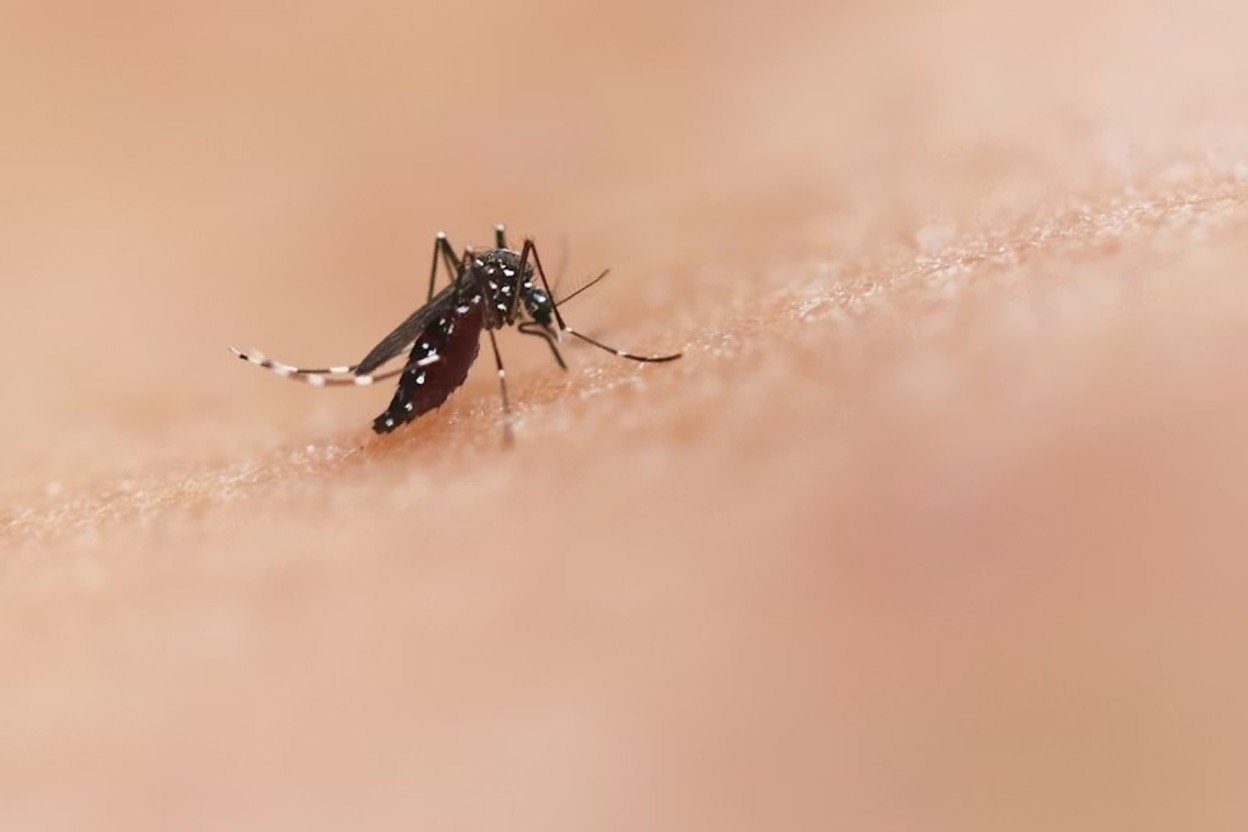
    Mosquitoes are not only an annoyance but also a health hazard, as they can carry diseases such as West Nile virus and Zika virus. South Florida’s warm, humid climate is ideal for mosquito breeding, and their population can grow quickly after rain.

    Eco-Friendly Solutions for Mosquitoes
    911 Pests Experts offers several eco-friendly mosquito control options. One effective method is the use of citronella, which is a natural mosquito repellent. Citronella candles or plants can be placed around your outdoor living areas to keep mosquitoes at bay. Additionally, essential oils like eucalyptus, lavender, and lemon oil can be applied to your skin or mixed with water and sprayed around your home to deter mosquitoes.

    To control mosquitoes on a larger scale, it’s important to eliminate standing water where they breed. Empty water from flower pots, bird baths, and gutters, and keep your yard free from containers that can collect rainwater. For long-term control, 911 Pests Experts can install mosquito traps that lure and capture mosquitoes without the use of harmful chemicals.

    1. Roaches

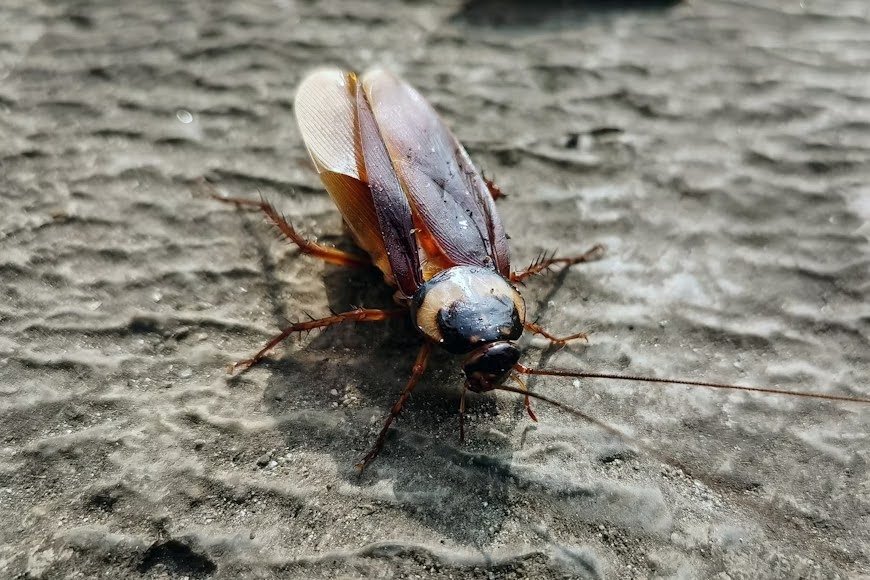
    Cockroaches are resilient pests that can adapt to a variety of environments, making them a common problem in South Florida. These pests can spread bacteria and trigger allergies, making them a health concern as well as an annoyance.

    Eco-Friendly Solutions for Roaches
    Diatomaceous earth is an effective natural solution for controlling roaches. At 911 Pests Experts, we apply food-grade diatomaceous earth in areas where roaches are likely to travel, such as behind appliances, under sinks, and along baseboards. This natural powder dehydrates roaches, killing them without the use of toxins.

    Boric acid, derived from minerals, is another safe and eco-friendly option. When placed in high-traffic areas for roaches, it can be ingested by the pests, ultimately killing them. However, it’s essential to use boric acid sparingly and in places where children and pets cannot reach. Keeping your home clean, sealing cracks and crevices, and removing food sources are additional steps you can take to deter roaches.

    Conclusion

    Pest control doesn’t have to come at the expense of your health or the environment. At 911 Pests Experts, we prioritize eco-friendly solutions that effectively manage common South Florida pests like termites, ants, mosquitoes, and roaches. By incorporating natural ingredients and focusing on prevention, we help you maintain a pest-free home while protecting your family, pets, and local wildlife. If you’re facing a pest problem and want to explore sustainable options, contact 911 Pests Experts today for professional, eco-friendly pest control services

  • Top Natural Ingredients for Pest Control and How They Work

    Top Natural Ingredients for Pest Control and How They Work

    When it comes to pest control, many homeowners are looking for effective solutions that don’t rely on harmful chemicals. 911 Pests Experts understands the importance of maintaining a safe and healthy environment while managing pests. That’s why we advocate for natural pest control methods that can be just as effective as conventional treatments, without the risks associated with toxic chemicals. Here, we’ll explore some of the top natural ingredients used for pest control—essential oils, diatomaceous earth, and botanical extracts—and explain how they work to keep pests at bay.

    1. Essential Oils: Nature’s Pest Repellent

    Essential oils are highly concentrated extracts from plants, and many have natural pest-repellent properties. Different essential oils target various types of pests, making them versatile tools for natural pest control. Let’s take a look at a few commonly used essential oils and how they deter pests:

    • Peppermint Oil
      Peppermint oil is one of the most widely used essential oils in natural pest control. Its strong scent is highly effective at repelling ants, spiders, and even mice. Peppermint oil contains menthol, which interferes with the pests’ ability to communicate and navigate. A few drops of peppermint oil mixed with water can be sprayed around doorways, windows, and other entry points to keep pests away.
    • Tea Tree Oil
      Tea tree oil is known for its antifungal and antibacterial properties, making it effective against pests such as ants, cockroaches, and bed bugs. The strong scent of tea tree oil acts as a repellent, while its natural properties can help eliminate bacteria and fungi that pests may carry. Applying a diluted solution of tea tree oil around problem areas can prevent infestations and discourage pests from entering your home.
    • Lavender Oil
      While lavender is pleasing to humans, it has the opposite effect on pests like fleas, mosquitoes, and moths. Lavender oil’s calming aroma masks the scents that pests use to locate their food sources, effectively repelling them. This oil is especially useful in closets, drawers, and other areas where pests may hide.
    1. Diatomaceous Earth: A Natural Desiccant

    Diatomaceous earth (DE) is a natural powder made from the fossilized remains of microscopic organisms called diatoms. This powder is harmless to humans and pets but deadly to pests with exoskeletons, such as ants, cockroaches, and fleas. When insects come into contact with DE, it clings to their bodies, absorbing the oils and fats from their exoskeletons and causing them to dehydrate and die.

    To use diatomaceous earth for pest control, simply sprinkle it in areas where pests are likely to travel, such as along baseboards, near entry points, or even directly in ant trails. Be sure to use food-grade diatomaceous earth, as it is safe for indoor use and non-toxic. DE is effective for extended periods as long as it remains dry, making it a reliable long-term pest control solution.

    1. Botanical Extracts: Plant-Based Pest Solutions

    Botanical extracts are derived from various plants known for their pest-repellent properties. These extracts contain naturally occurring compounds that are toxic to certain pests but safe for humans and pets. Some commonly used botanical extracts for pest control include:

    • Neem Oil
      Extracted from the seeds of the neem tree, neem oil has been used for centuries as a natural pesticide. It contains azadirachtin, a compound that disrupts the growth and reproduction of pests like aphids, mites, and whiteflies. Neem oil is also effective against mosquitoes and bed bugs. When applied to plants, neem oil can prevent insects from feeding and laying eggs, helping to control pest populations without harmful chemicals.
    • Citrus Extracts
      Citrus oils, such as orange and lemon oil, contain a compound called d-limonene that is toxic to many insects, including ants, fleas, and roaches. Citrus extracts are especially useful for deterring pests in the kitchen and other food-preparation areas. The fresh scent of citrus oils masks the odors that attract pests, while d-limonene breaks down their protective exoskeletons, effectively killing them on contact.
    • Garlic Extract
      Garlic has natural sulfur compounds that repel a wide variety of pests, from mosquitoes and ticks to slugs and snails. Garlic extract can be used in gardens and around the home as a natural repellent. The smell of garlic confuses pests, making it difficult for them to locate food sources or potential nesting sites.

    The Benefits of Natural Pest Control

    Using natural ingredients for pest control offers several advantages over traditional pesticides. Natural pest control methods are typically safe for humans, pets, and the environment. They reduce the risk of exposure to toxic chemicals, which can lead to health problems, and they do not harm beneficial insects, like bees and butterflies, that are essential to ecosystems. Natural pest control solutions also help prevent the development of pesticide resistance, a growing problem with chemical-based methods.

    At 911 Pests Experts, we are committed to providing effective pest control solutions that prioritize the health and safety of our clients. By incorporating essential oils, diatomaceous earth, and botanical extracts into our pest management services, we help protect your home from pests without introducing harmful chemicals into your living space.

    Conclusion

    When it comes to pest control, natural ingredients offer a safe, effective, and environmentally friendly alternative to traditional pesticides. Essential oils, diatomaceous earth, and botanical extracts each have unique properties that repel or eliminate pests without posing a risk to your family or pets. With 911 Pests Experts, you can achieve a pest-free home while supporting a healthier, more sustainable approach to pest control.

  • Understanding Eco-Friendly Pest Control

    Understanding Eco-Friendly Pest Control

    Understanding Eco-Friendly Pest Control: Benefits for Your Home and the Environment with 911 Pests Experts

    In today’s environmentally conscious world, homeowners are increasingly looking for safe and sustainable alternatives to traditional pest control methods. South Florida, known for its lush landscapes and warm climate, is particularly susceptible to a range of pests, making pest control a necessity. 911 Pests Experts, a trusted name in South Florida’s pest control industry, offers eco-friendly pest solutions that protect homes, promote household health, and preserve local wildlife and the environment. Let’s explore why choosing eco-friendly pest control can benefit you and your surroundings.

    Healthier Home Environment

    One of the primary reasons many South Florida homeowners are opting for eco-friendly pest control through companies like 911 Pests Experts is to protect their home environment from harmful chemicals. Traditional pest control methods often involve synthetic pesticides that contain toxic chemicals. These toxins can linger in the air and on surfaces long after treatment, posing potential health risks for family members and pets.

    Eco-friendly pest control, on the other hand, uses natural ingredients like essential oils, plant extracts, and minerals that are non-toxic to humans and animals. For example, peppermint oil can be used to repel ants and spiders, while diatomaceous earth is effective in managing cockroach infestations. By choosing natural treatments, 911 Pests Experts helps to create a safer indoor environment, free from the harmful residues associated with conventional pesticides. This is especially beneficial for households with young children, pets, or anyone with respiratory conditions or allergies.

    Protection for Local Wildlife

    South Florida is home to a variety of wildlife, from birds and small mammals to essential pollinators like bees and butterflies. Unfortunately, many traditional pest control chemicals don’t just affect the target pests – they can also harm beneficial insects and other animals. When these chemicals are spread throughout yards and homes, they can have a detrimental effect on the local ecosystem, reducing populations of insects that are vital for pollination and the overall health of the environment.

    By choosing eco-friendly pest control services from 911 Pests Experts, homeowners can rest assured that they are not unintentionally harming local wildlife. Eco-friendly methods are designed to minimize the impact on non-target species. Instead of using broad-spectrum pesticides, 911 Pests Experts implements targeted strategies that repel or remove pests without disrupting other wildlife. These methods help maintain the balance of the ecosystem while effectively managing unwanted pests.

    Reduced Environmental Impact

    The environmental benefits of eco-friendly pest control extend beyond individual homes. Traditional pesticides can seep into the soil and water systems, contaminating natural habitats and harming aquatic life. This is a significant concern in South Florida, where water quality and the health of local wetlands are crucial. Chemical runoff from pesticides can degrade water sources and disrupt delicate ecosystems, such as the Everglades.

    Eco-friendly pest control solutions used by 911 Pests Experts are formulated to be biodegradable, meaning they break down naturally and do not leave harmful residues. This significantly reduces the risk of contamination, making it an environmentally responsible choice for homeowners. By opting for these sustainable practices, 911 Pests Experts ensures that its pest control solutions do not contribute to pollution or disrupt the health of South Florida’s unique ecosystems.

    Sustainable Pest Control Strategies

    Many eco-friendly pest control companies, like 911 Pests Experts, use an Integrated Pest Management (IPM) approach, which emphasizes sustainable and preventative measures. Unlike traditional pest control methods that rely on repeated chemical treatments, IPM focuses on identifying and addressing the root causes of pest problems. This includes sealing entry points, maintaining cleanliness, and using natural repellents to discourage pest activity.

    IPM also helps prevent pests from developing resistance to treatments. With traditional pesticides, repeated exposure can lead to pest populations becoming resistant, requiring stronger chemicals and more frequent applications. Eco-friendly pest control methods avoid this cycle by emphasizing a balanced and sustainable approach, which ultimately leads to more effective, long-lasting pest management.

    Improved Air Quality and Reduced Allergens

    Indoor air quality is a growing concern for many homeowners. Traditional pesticides often release volatile organic compounds (VOCs) into the air, which can cause health problems like headaches, dizziness, and respiratory issues. This is particularly problematic in South Florida, where high humidity levels can exacerbate these effects, leading to poor indoor air quality.

    911 Pests Experts offers eco-friendly pest control options that avoid the use of VOCs, resulting in cleaner, fresher indoor air. Using natural ingredients like citrus and cedar extracts not only helps repel pests but also introduces pleasant, non-toxic scents into the home. This approach makes a noticeable difference, particularly for those with allergies, asthma, or other respiratory conditions.

    Supporting a Greener South Florida

    When you choose eco-friendly pest control from 911 Pests Experts, you’re not just protecting your home—you’re also contributing to a greener community. As more residents make the switch to sustainable pest control, it encourages the industry to develop even safer, more effective solutions. By choosing 911 Pests Experts, South Florida homeowners are supporting environmentally responsible practices that protect both their homes and the planet.

    Final Thoughts

    Eco-friendly pest control offers a multitude of benefits for your home, health, and the environment. With 911 Pests Experts, you’re choosing a company that values sustainability and prioritizes the well-being of both its clients and the community. From reducing toxins in your home to preserving South Florida’s natural beauty, eco-friendly pest control is a wise and impactful choice for any homeowner.